di Luca Desiderato
Per modificare una foto in una cosa sola, gli 8 prompt[5] indicano un intervento su occhiaie, capelli, abito, testo, posa, postura o corporatura. Il resto della fotografia è dichiarato identico nel comando. Le 17 immagini affiancano foto di partenza e risultati.
Sommario
Come è costruito il comando
Il mezzo apre ogni prompt: THE SAME PHOTOGRAPH WITH ONE CHANGE, seguito dalla sola parte da cambiare.
L’ancora elenca ciò che resta, come same woman, same face and expression, same hair. In /dressme le foto sono due: FIRST supplied photograph e GARMENT from the SECOND supplied photograph.
In sette comandi su otto il pareggio chiude con Everything else is identical to the original.; /edittext non lo ripete. In /reshape si aggiunge The face and the head size do not change.
/darkcircles · Occhiaie
Chiede di eliminare completamente occhiaie e gonfiore sotto gli occhi. Palpebra, struttura ossea, linee d’espressione e pori restano come sono; non chiede levigatura generale altrove.
Ti serve una foto di partenza: Sì, una · Modello: Nano Banana Pro · Lunghezza: 101 parole
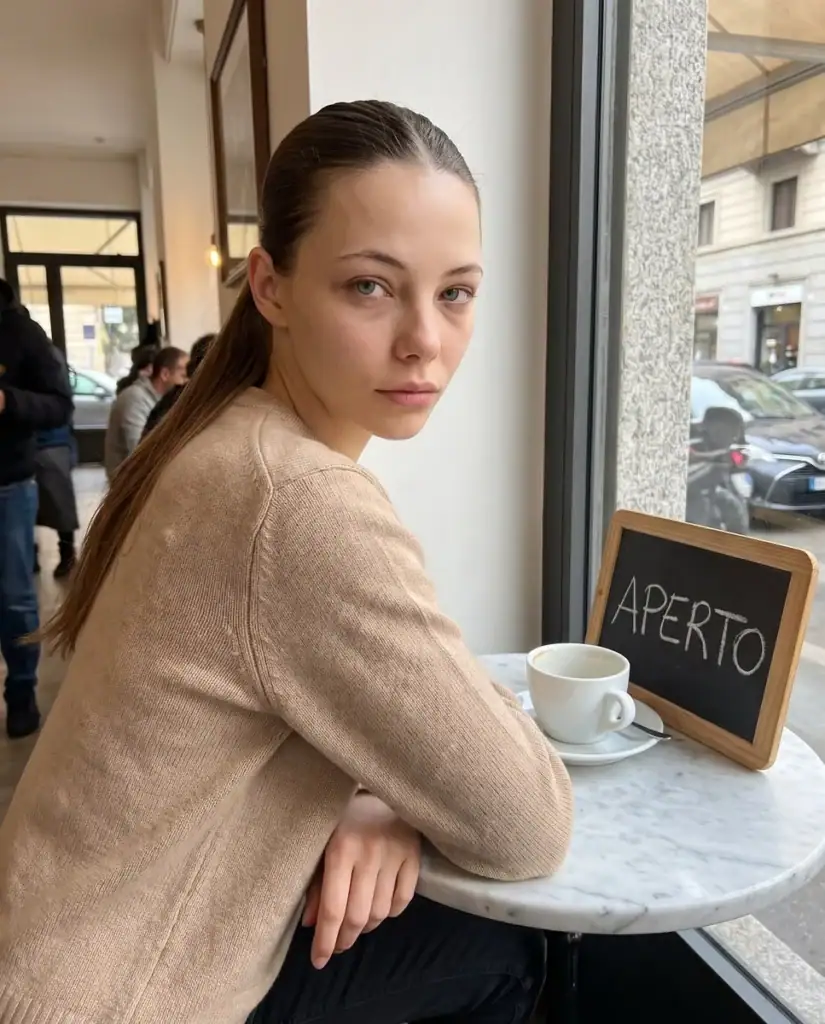
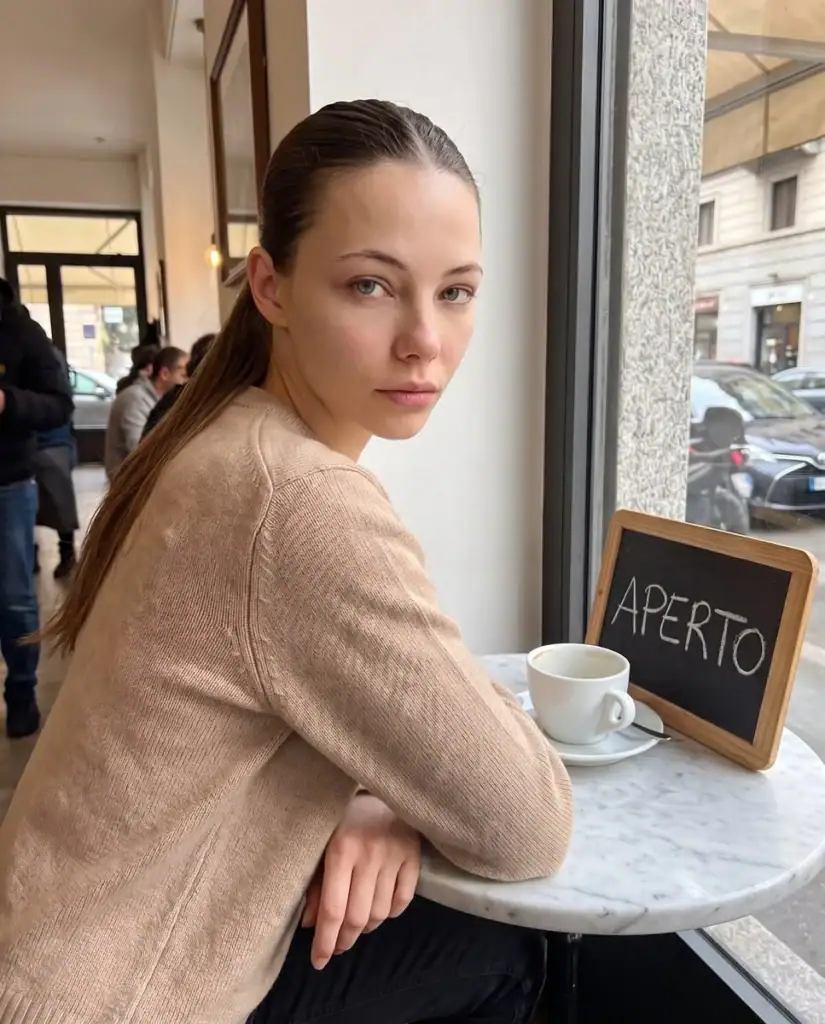
La mossa che c’è dentro. La modifica è circoscritta da Change only the area under the eyes. Il divieto esplicito è no general smoothing anywhere else.
Il prompt
THE SAME PHOTOGRAPH WITH ONE CHANGE: THE AREA UNDER HER EYES. Keep the supplied photograph exactly as it is: same woman, same face and expression, same hair, same top, same table, same sign, same light, same framing. Change only the area under the eyes: remove the dark circles and the puffiness completely, blending the skin tone with the cheeks, while the natural crease of the eyelid, the bone structure, the expression lines and the pores stay exactly as they are; no general smoothing anywhere else. The eyes look rested and bright. Everything else is identical to the original. Photorealistic, vertical 4:5.Lo stesso comando, da riempire
Sostituisci solo quello che sta fra parentesi quadre. Se il soggetto[3] non è una donna cambia anche i pronomi (her → his, she → he); tutto il resto va lasciato com’è, maiuscole comprese.
THE SAME PHOTOGRAPH WITH ONE CHANGE: [ZONA DA CAMBIARE]. Keep the supplied photograph exactly as it is: same woman, same face and expression, same hair, same top, same table, same sign, same light, same framing. Change only the area under the eyes: [MODIFICA RICHIESTA], blending the skin tone with the cheeks, while the natural crease of the eyelid, the bone structure, the expression lines and the pores stay exactly as they are; no general smoothing anywhere else. The eyes look rested and bright. Everything else is identical to the original. Photorealistic, vertical 4:5.Per usarlo su altro. Sostituisci la zona e la modifica. Riscrivi l’elenco delle parti da conservare. Su un’altra zona non l’abbiamo provato.
/hairline · Attaccatura
Chiede di riempire tempie e attaccatura frontale con capelli dello stesso colore, texture[4] e densità, abbassando l’attaccatura fra cinque e quindici millimetri in una forma arrotondata.
Ti serve una foto di partenza: Sì, una · Modello: Nano Banana Pro · Lunghezza: 112 parole
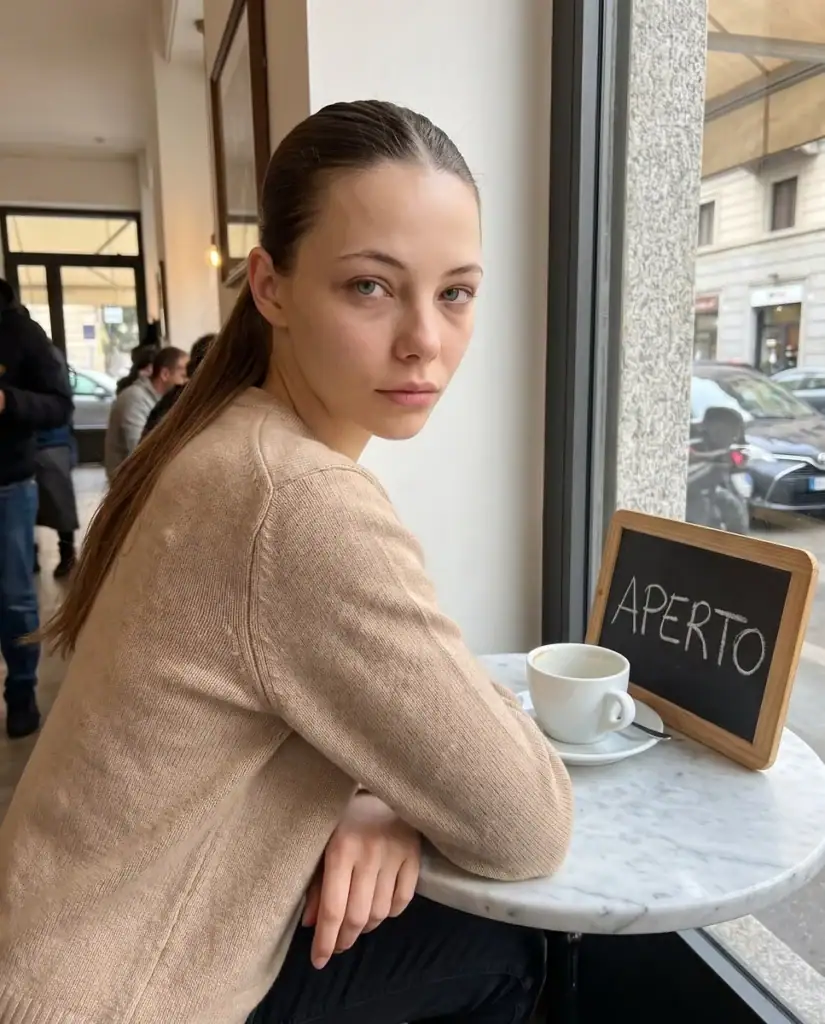
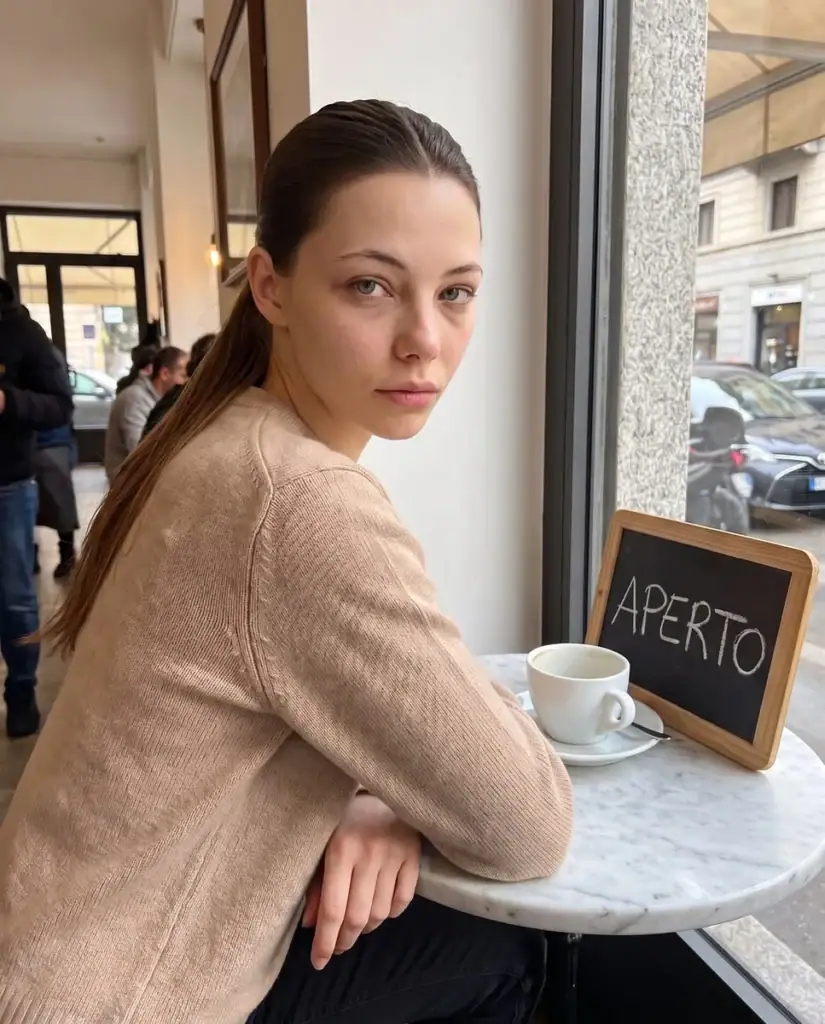
La mossa che c’è dentro. La misura è bring the hairline down by five to fifteen millimetres. Il divieto conserva capelli restanti, viso e pelle della fronte: stay exactly as they are.
Il prompt
THE SAME PHOTOGRAPH WITH ONE CHANGE: HER HAIRLINE. Keep the supplied photograph exactly as it is: same woman, same face and expression, same ponytail, same top, same table, same sign, same light, same framing. Change only the hairline: fill in the temples and the front hairline with hair of the identical colour, texture and density, and bring the hairline down by five to fifteen millimetres into a natural rounded shape, so the forehead reads shorter and the hair fuller. The rest of the hair, the face and the forehead skin stay exactly as they are; the edit is invisible as an edit. Everything else is identical to the original. Photorealistic, vertical 4:5.Lo stesso comando, da riempire
Sostituisci solo quello che sta fra parentesi quadre. Se il soggetto non è una donna cambia anche i pronomi (her → his, she → he); tutto il resto va lasciato com’è, maiuscole comprese.
THE SAME PHOTOGRAPH WITH ONE CHANGE: HER HAIRLINE. Keep the supplied photograph exactly as it is: same woman, same face and expression, same ponytail, same top, same table, same sign, same light, same framing. Change only the hairline: [ZONA DELL’ATTACCATURA] with hair of the identical colour, texture and density, and bring the hairline down [MISURA] into a natural rounded shape, so the forehead reads shorter and the hair fuller. The rest of the hair, the face and the forehead skin stay exactly as they are; the edit is invisible as an edit. Everything else is identical to the original. Photorealistic, vertical 4:5.Per usarlo su altro. Sostituisci zona e misura. Per altro colore, texture o densità, riscrivi anche quella descrizione. Non l’abbiamo provato.
/hairstyle · Taglio
Chiede di sostituire i capelli lunghi e mossi con un caschetto liscio lungo il mento, con riga centrale e lo stesso colore castano scuro. Viso, orecchie e proporzioni della testa restano identici.
Ti serve una foto di partenza: Sì, una · Modello: Nano Banana Pro · Lunghezza: 102 parole
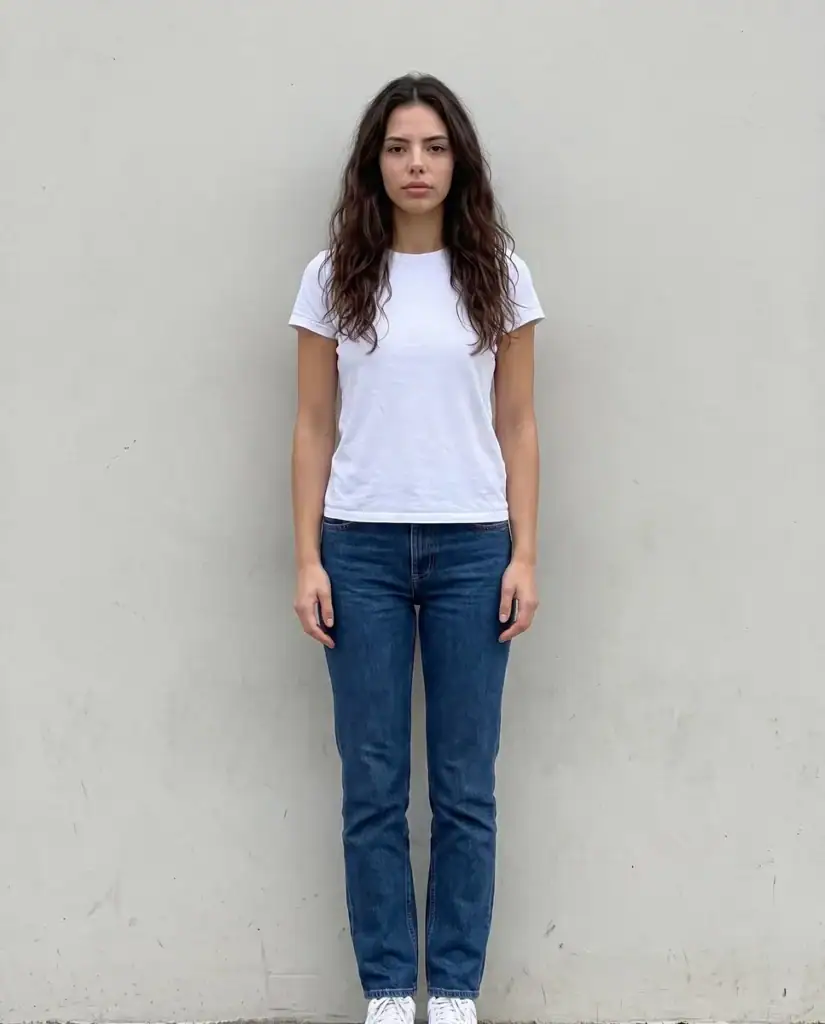
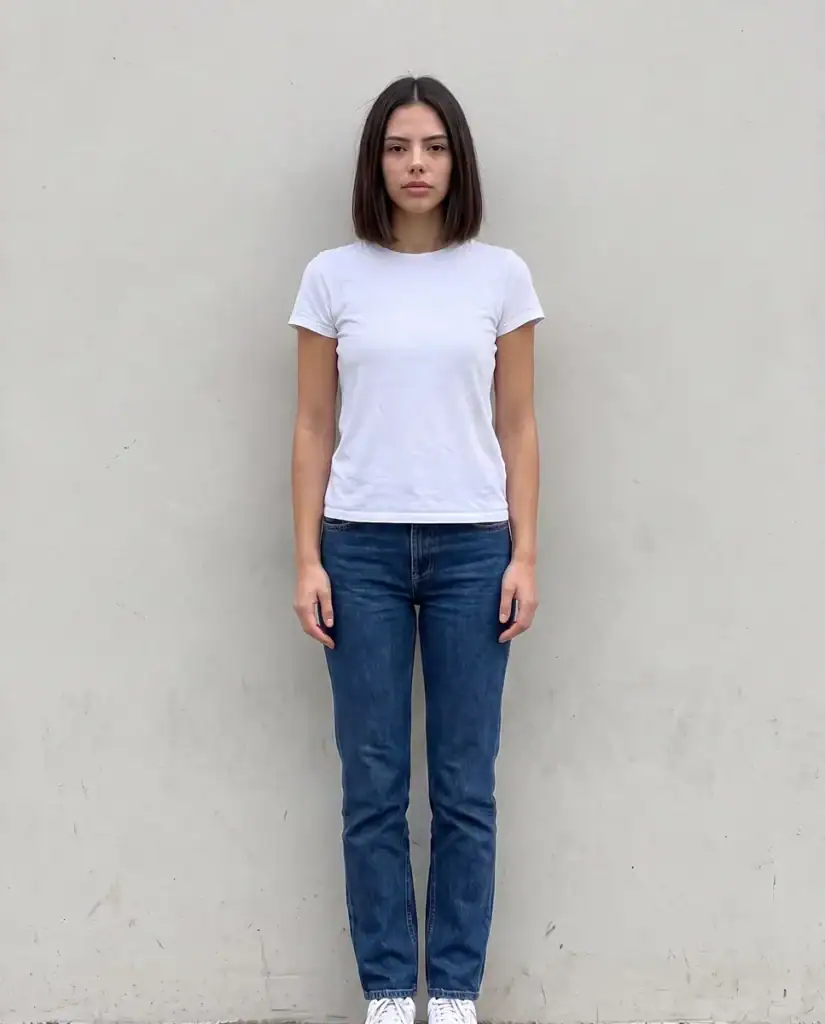
La mossa che c’è dentro. La modifica è definita da Change only the hair. Il prompt chiede shadows on the neck and shoulders that match the light of the photograph.
Il prompt
THE SAME PHOTOGRAPH WITH ONE CHANGE: HER HAIRSTYLE. Keep the supplied photograph exactly as it is: same woman, same face and expression, same clothes, same pose, same wall, same light, same framing. Change only the hair: the long wavy hair becomes a straight, chin-length bob with a centre parting, in the same dark-brown colour, with a natural hairline, realistic texture, a few flyaways and shadows on the neck and shoulders that match the light of the photograph. The face, the ears and the proportions of the head stay exactly as they are. Everything else is identical to the original. Photorealistic, vertical 4:5.Lo stesso comando, da riempire
Sostituisci solo quello che sta fra parentesi quadre. Se il soggetto non è una donna cambia anche i pronomi (her → his, she → he); tutto il resto va lasciato com’è, maiuscole comprese.
THE SAME PHOTOGRAPH WITH ONE CHANGE: HER HAIRSTYLE. Keep the supplied photograph exactly as it is: same woman, same face and expression, same clothes, same pose, same wall, same light, same framing. Change only the hair: [NUOVO TAGLIO], in [COLORE DEI CAPELLI], with a natural hairline, realistic texture, a few flyaways and shadows on the neck and shoulders that match the light of the photograph. The face, the ears and the proportions of the head stay exactly as they are. Everything else is identical to the original. Photorealistic, vertical 4:5.Per usarlo su altro. Sostituisci descrizione completa del taglio e colore. Se cambiano lunghezza, riga o forma, riscrivi tutto il blocco. Non l’abbiamo provato.
/dressme · Vestita da un’altra foto
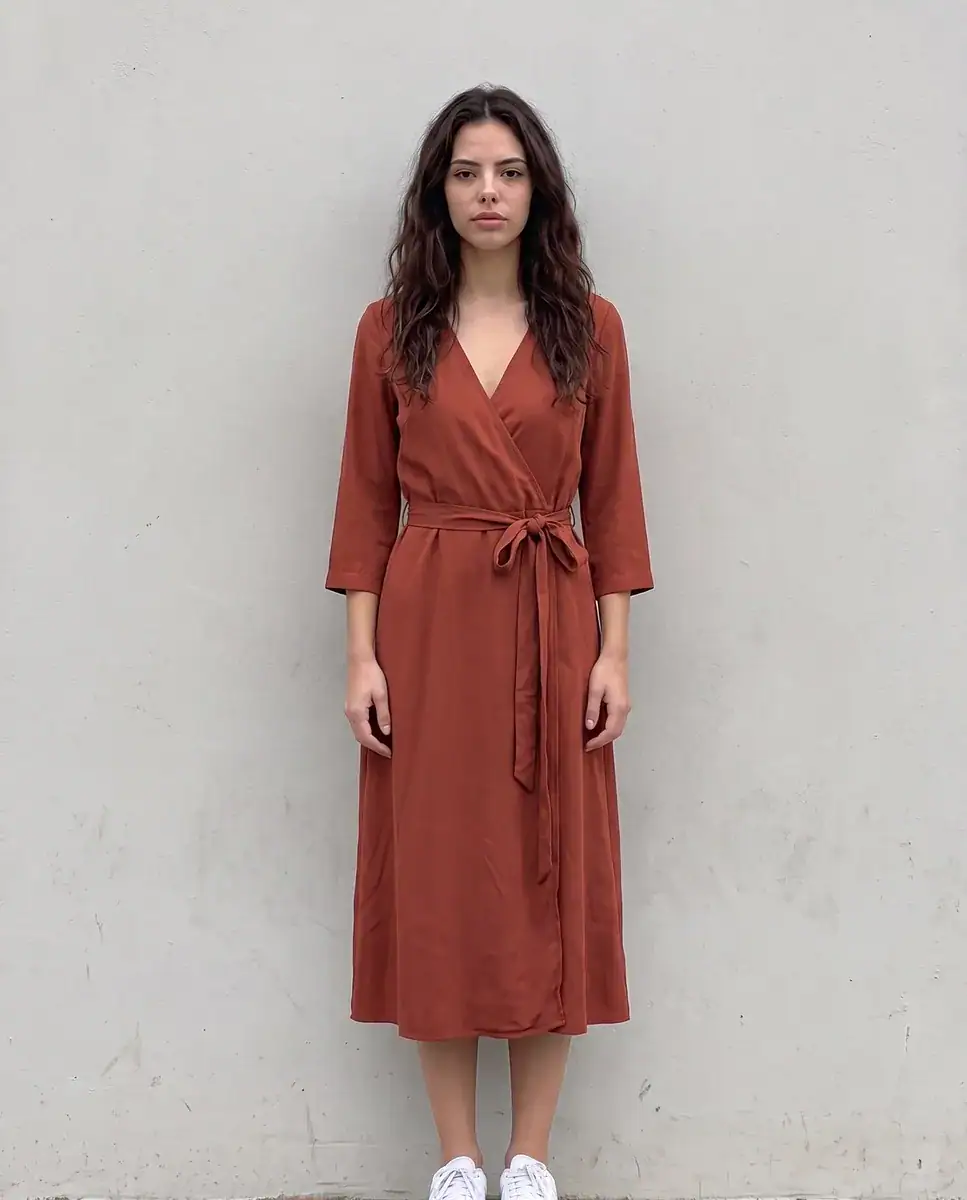
Chiede due fotografie: dalla prima conserva persona, posa, muro, luce e inquadratura[1]; dalla seconda prende l’abito rosso ruggine con scollo a V, cintura e maniche a tre quarti. Le sneakers bianche restano.
Ti serve una foto di partenza: Sì, DUE foto diverse · Modello: Nano Banana Pro · Lunghezza: 111 parole
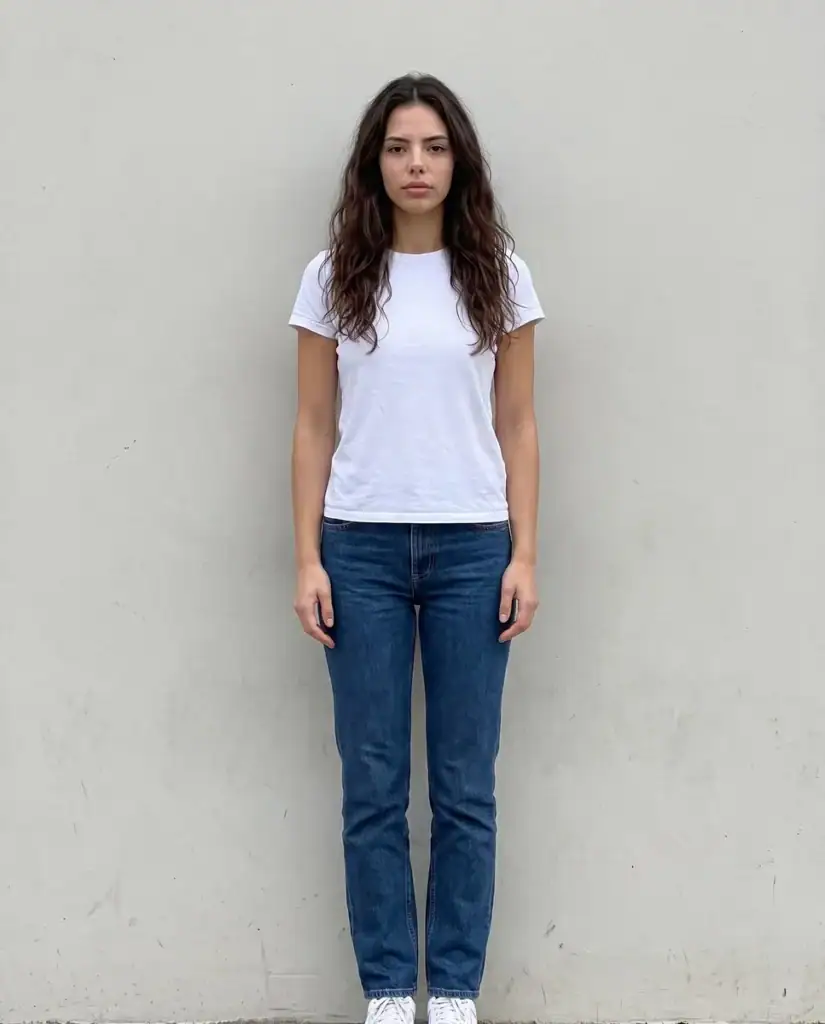
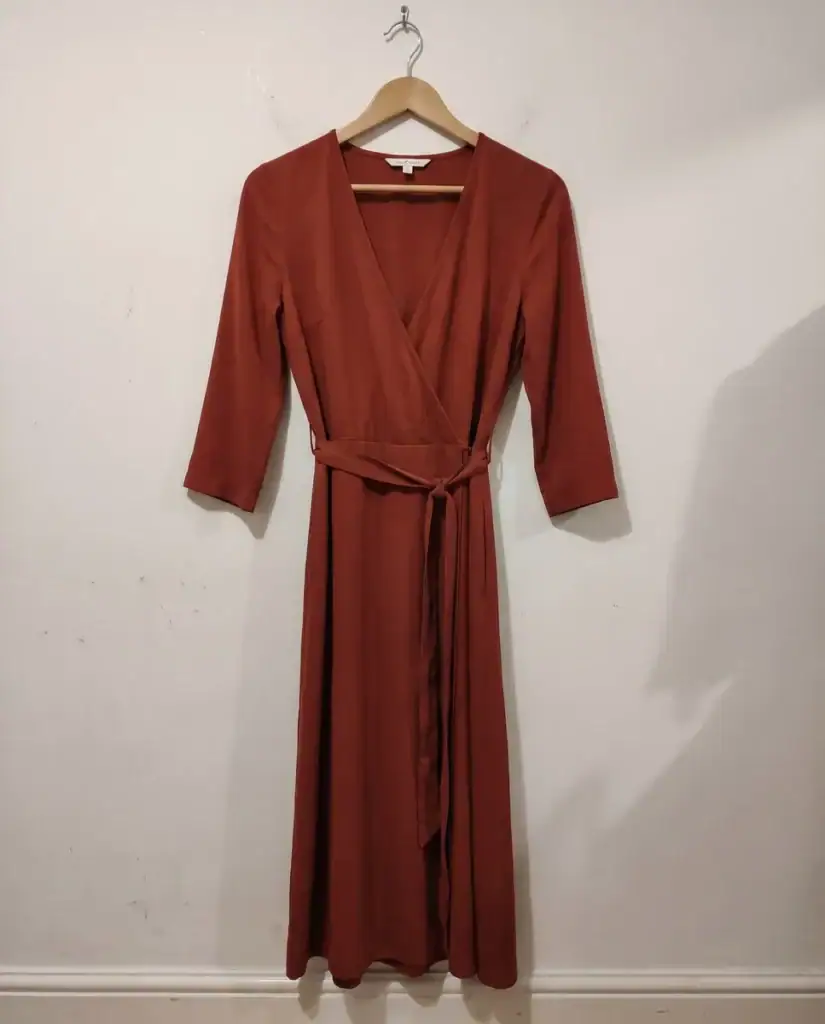
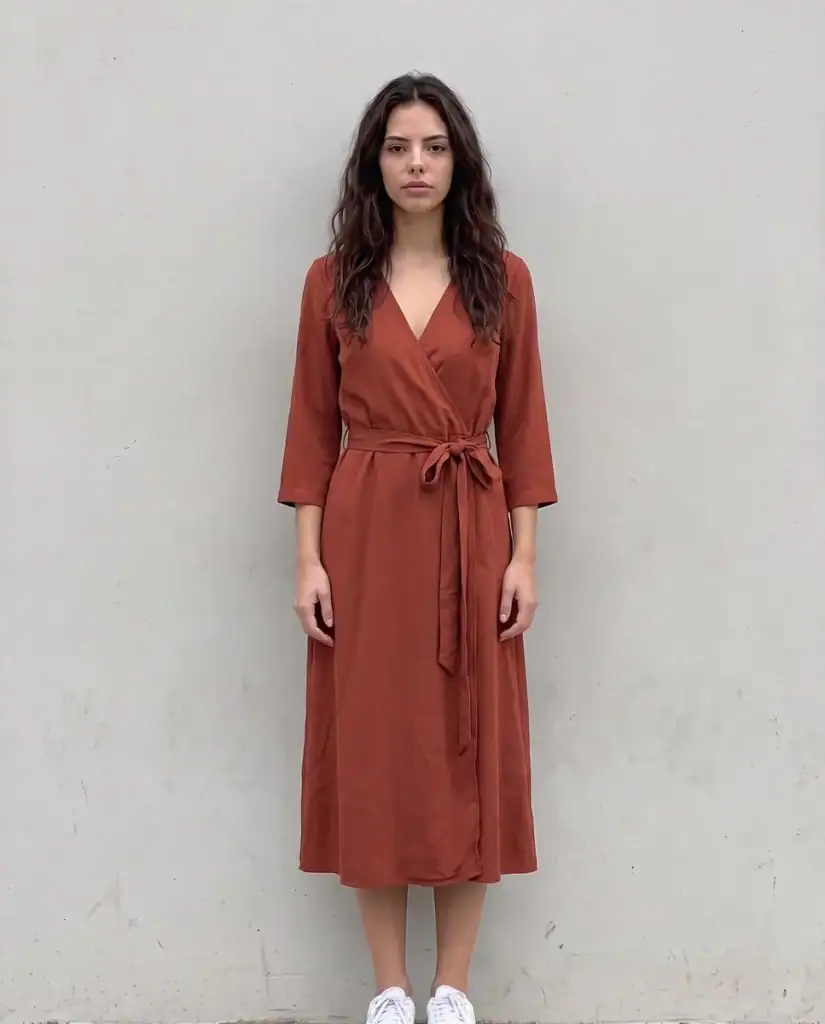
La mossa che c’è dentro. Le due ancore sono FIRST supplied photograph e GARMENT from the SECOND supplied photograph. Il capo deve seguire posa e luce con realistic drape, folds and seams.
Il prompt
THE SAME PHOTOGRAPH WITH ONE CHANGE: WHAT SHE WEARS. Keep the FIRST supplied photograph exactly as it is: same woman, same face and expression, same hair, same pose, same wall, same light, same framing. Dress her in the GARMENT from the SECOND supplied photograph exactly as it is: the rust-red midi wrap dress with the V neckline, the tie belt and three-quarter sleeves, in its real colour and fabric. The dress hangs on her body the way that fabric would, with realistic drape, folds and seams that follow her pose and the light of the first photograph; the white sneakers stay. Everything else is identical to the original. Photorealistic, vertical 4:5.Lo stesso comando, da riempire
Sostituisci solo quello che sta fra parentesi quadre. Se il soggetto non è una donna cambia anche i pronomi (her → his, she → he); tutto il resto va lasciato com’è, maiuscole comprese.
THE SAME PHOTOGRAPH WITH ONE CHANGE: WHAT SHE WEARS. Keep the FIRST supplied photograph exactly as it is: same woman, same face and expression, same hair, same pose, same wall, same light, same framing. Dress her in the GARMENT from the SECOND supplied photograph exactly as it is: [CAPO DALLA SECONDA FOTO], [COLORE E TESSUTO REALI]. The dress hangs on her body the way that fabric would, with realistic drape, folds and seams that follow her pose and the light of the first photograph; the white sneakers stay. Everything else is identical to the original. Photorealistic, vertical 4:5.Per usarlo su altro. Sostituisci la descrizione del capo della seconda fotografia. Per cambiare calzature o posa va riscritto il prompt. Non l’abbiamo provato.
/edittext · Testo nell’immagine
Chiede di sostituire APERTO con TORNO SUBITO sulla lavagnetta nera. Il testo deve avere stesso gesso bianco, dimensione, stile, prospettiva[2] e posizione, senza virgolette.
Ti serve una foto di partenza: Sì, una · Modello: Nano Banana Pro · Lunghezza: 86 parole
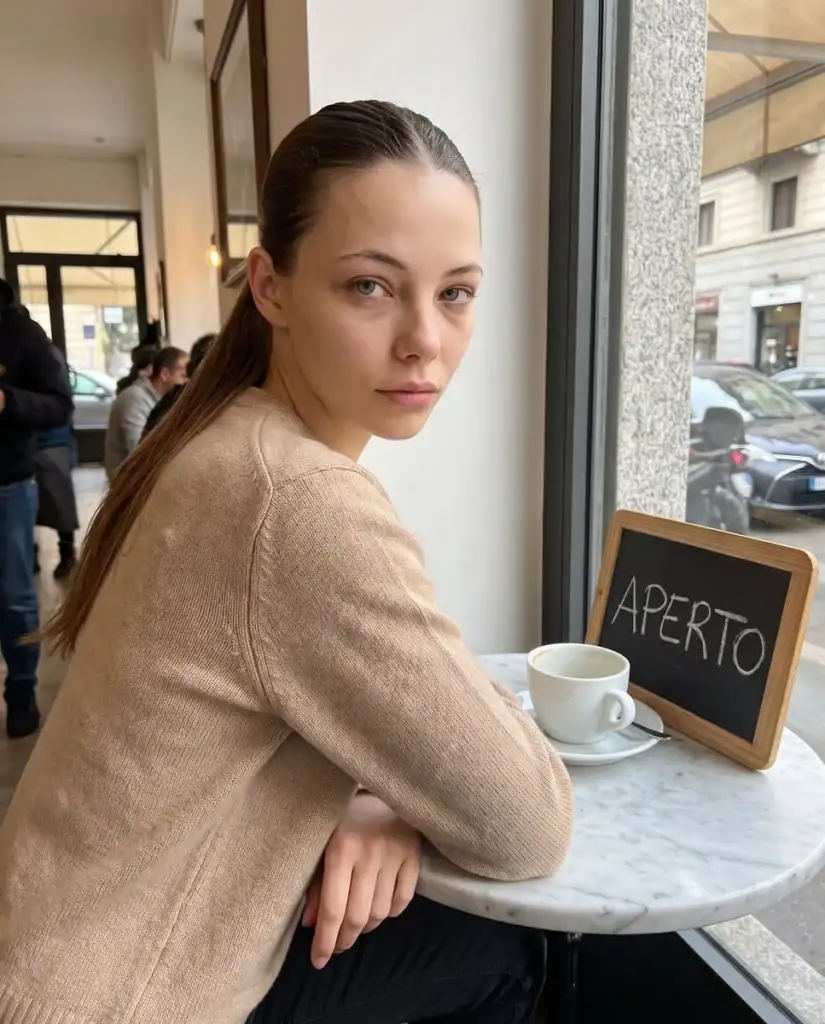
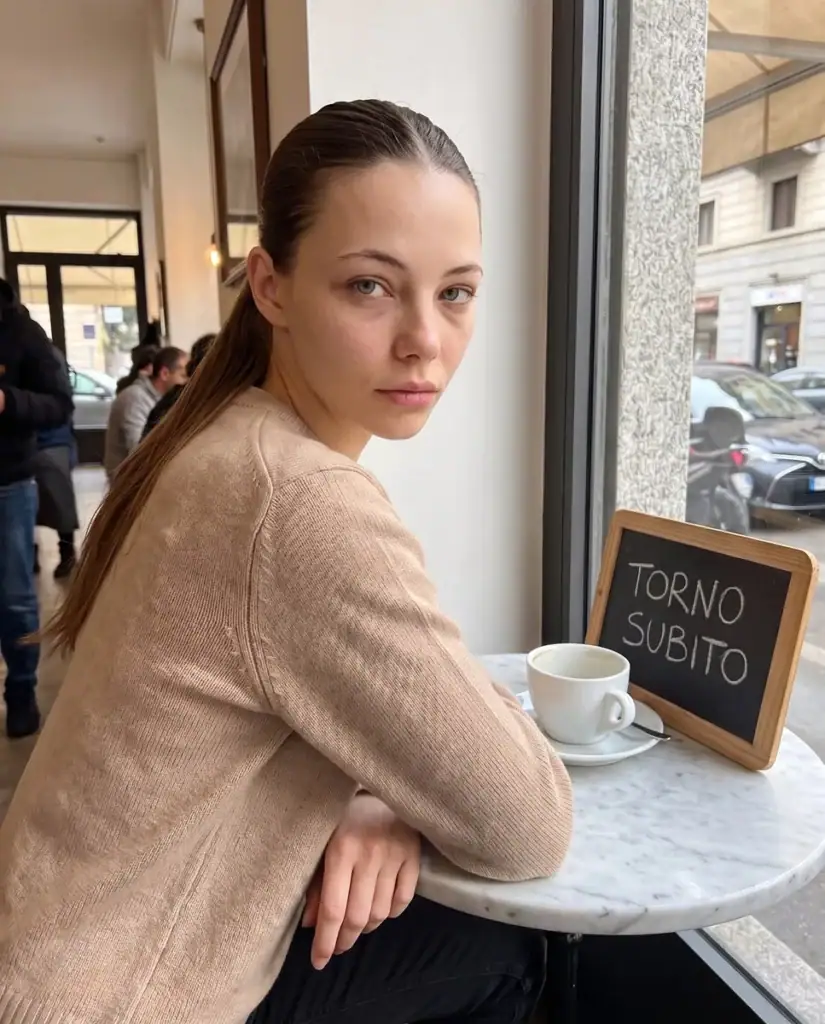
La mossa che c’è dentro. La sostituzione è letterale: replace the word APERTO with the words TORNO SUBITO. Il divieto è printed without quotation marks.
Il prompt
THE SAME PHOTOGRAPH WITH ONE CHANGE: THE TEXT ON THE SIGN. Keep the supplied photograph exactly as it is: same woman, same face, same hair, same top, same table, same cup, same light, same framing. On the small black chalkboard sign, replace the word APERTO with the words TORNO SUBITO, handwritten in the same white chalk, the same size and style of lettering, the same perspective and the same position on the board, printed without quotation marks. Nothing else in the image changes. Photorealistic, vertical 4:5.Lo stesso comando, da riempire
Sostituisci solo quello che sta fra parentesi quadre. Se il soggetto non è una donna cambia anche i pronomi (her → his, she → he); tutto il resto va lasciato com’è, maiuscole comprese.
THE SAME PHOTOGRAPH WITH ONE CHANGE: THE TEXT ON THE SIGN. Keep the supplied photograph exactly as it is: same woman, same face, same hair, same top, same table, same cup, same light, same framing. On the small black chalkboard sign, replace the word [TESTO ORIGINALE] with the words [TESTO NUOVO], [TECNICA E COLORE DEL TESTO], the same size and style of lettering, the same perspective and the same position on the board, printed without quotation marks. Nothing else in the image changes. Photorealistic, vertical 4:5.Per usarlo su altro. Sostituisci parola iniziale e testo nuovo. Se cambiano lavagnetta, colore, stile o posizione, riscrivi i vincoli. Non l’abbiamo provato.
/pose · Posa
Chiede la spalla destra appoggiata al muro, braccia incrociate morbide sul petto e una caviglia sull’altra. La posa deve avere peso, contatto, pieghe e ombra coerenti con la luce.
Ti serve una foto di partenza: Sì, una · Modello: Nano Banana Pro · Lunghezza: 99 parole
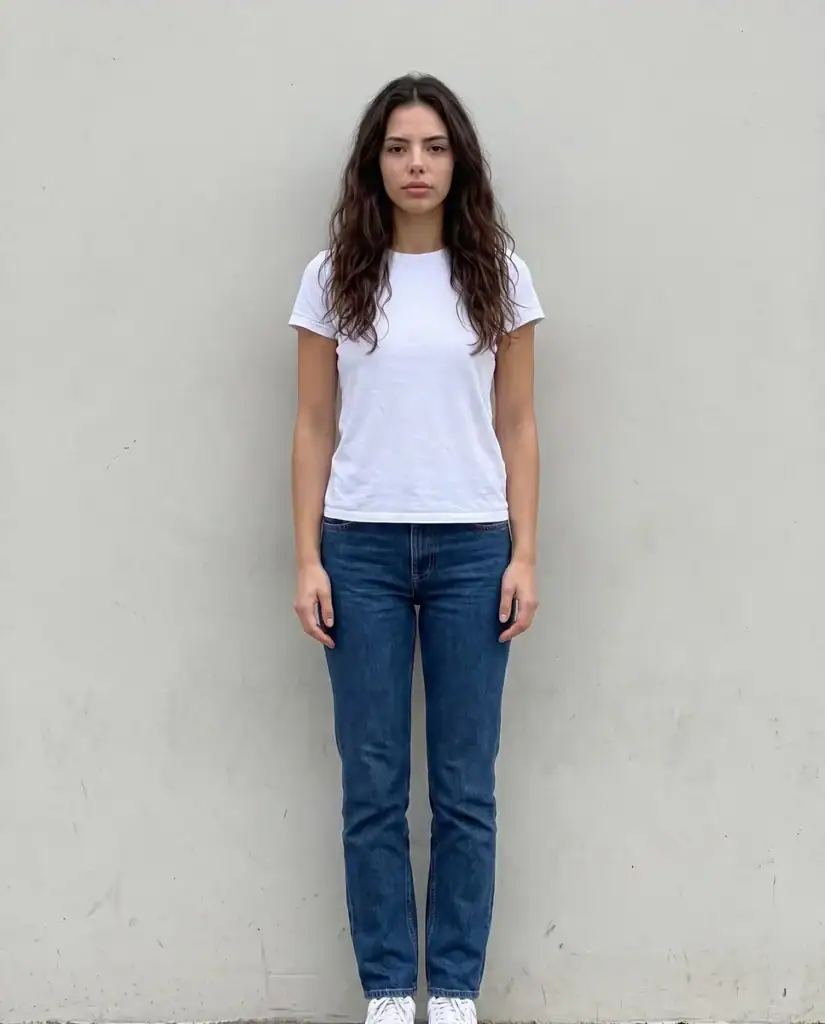
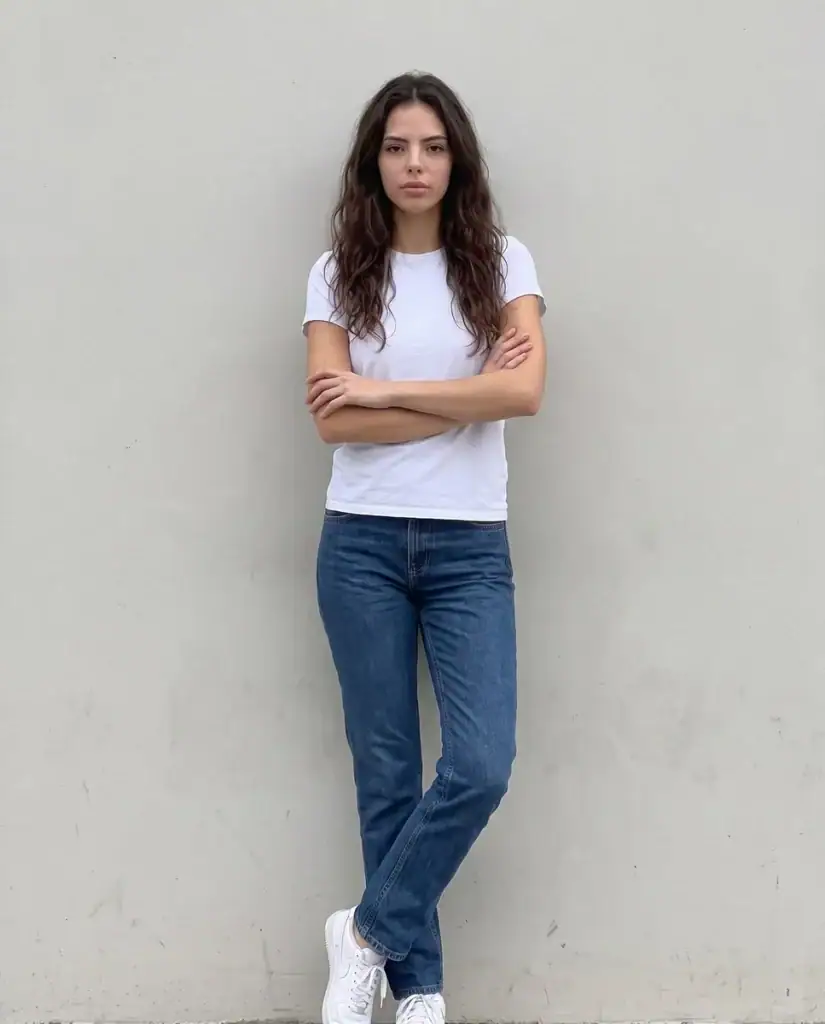
La mossa che c’è dentro. La posa è elencata dopo Change only the pose. Il vincolo anatomico è Hands with five fingers each.
Il prompt
THE SAME PHOTOGRAPH WITH ONE CHANGE: HER POSE. Keep the supplied photograph exactly as it is: same woman, same face and expression, same hair, same clothes, same wall, same light, same framing. Change only the pose: she now leans her right shoulder lightly against the wall, arms crossed loosely over the chest, one ankle crossed over the other, relaxed. The new pose is natural and anatomically right, with believable weight, contact with the wall, clothing folds and a shadow that matches the original light. Hands with five fingers each. Everything else is identical to the original. Photorealistic, vertical 4:5.Lo stesso comando, da riempire
Sostituisci solo quello che sta fra parentesi quadre. Se il soggetto non è una donna cambia anche i pronomi (her → his, she → he); tutto il resto va lasciato com’è, maiuscole comprese.
THE SAME PHOTOGRAPH WITH ONE CHANGE: HER POSE. Keep the supplied photograph exactly as it is: same woman, same face and expression, same hair, same clothes, same wall, same light, same framing. Change only the pose: [NUOVA POSA], relaxed. The new pose is natural and anatomically right, [VINCOLI DELLA NUOVA POSA]. Hands with five fingers each. Everything else is identical to the original. Photorealistic, vertical 4:5.Per usarlo su altro. Sostituisci per intero la descrizione della posa. Riscrivi anche peso, contatto, pieghe e ombra.
/posture · Postura
Chiede spalle indietro e in basso, petto leggermente aperto, colonna più lunga, testa sopra le spalle e peso su entrambi i piedi. Maglietta e jeans seguono la nuova postura con pieghe reali.
Ti serve una foto di partenza: Sì, una · Modello: Nano Banana Pro · Lunghezza: 92 parole
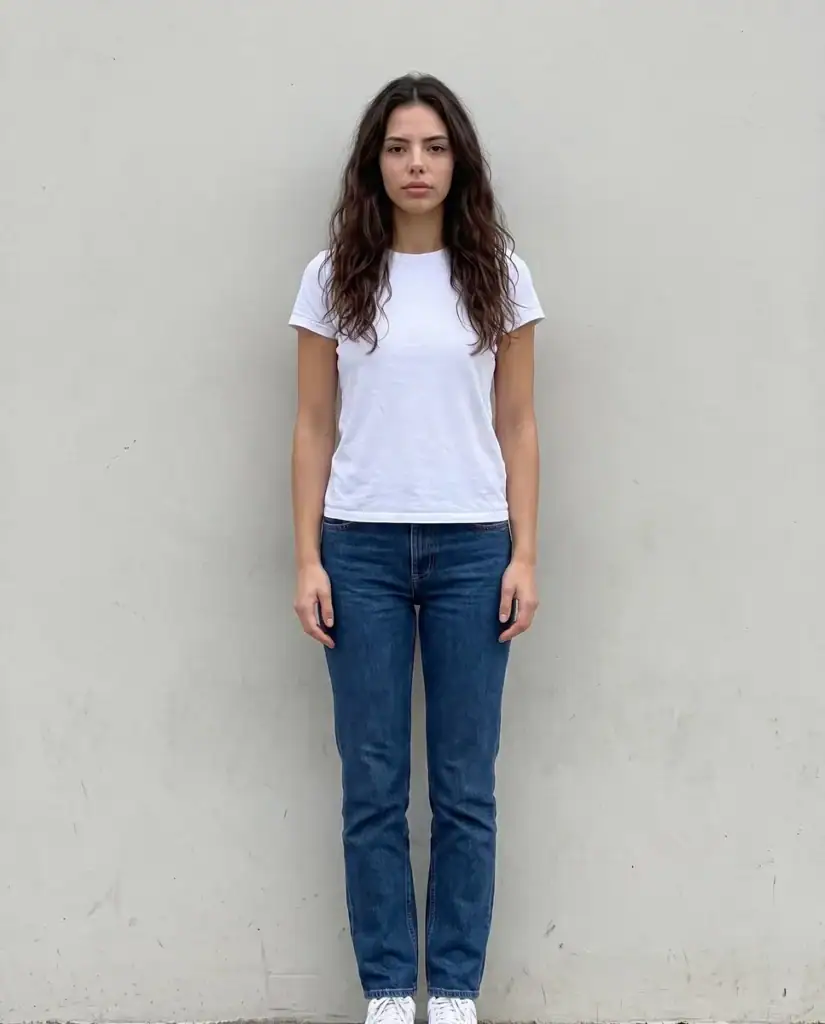
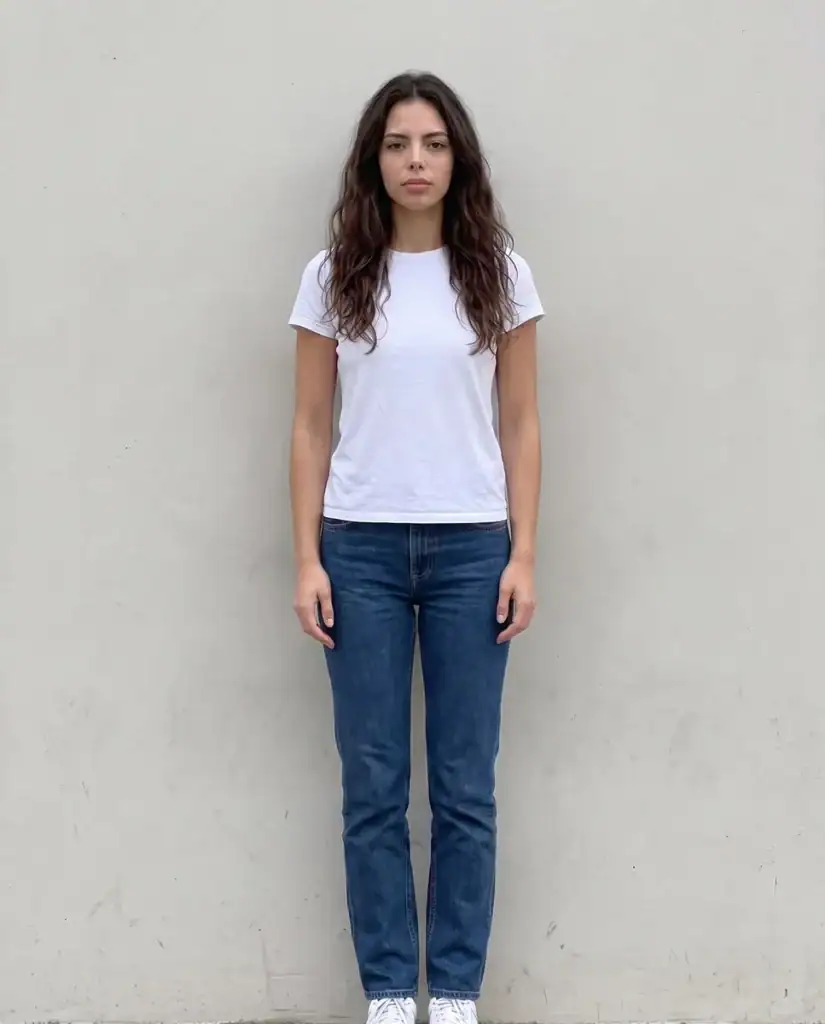
La mossa che c’è dentro. Il cambiamento è delimitato da Change only the posture. Il prompt elenca spalle, petto, colonna, testa e peso.
Il prompt
THE SAME PHOTOGRAPH WITH ONE CHANGE: HER POSTURE. Keep the supplied photograph exactly as it is: same woman, same face and expression, same hair, same clothes, same wall, same light, same framing. Change only the posture: the shoulders go back and down, the chest opens slightly, the spine lengthens, the head sits naturally over the shoulders, the weight stays on both feet. The t-shirt and jeans drape to the new posture with realistic folds. She looks like the same person standing well. Everything else is identical to the original. Photorealistic, vertical 4:5.Lo stesso comando, da riempire
Sostituisci solo quello che sta fra parentesi quadre. Se il soggetto non è una donna cambia anche i pronomi (her → his, she → he); tutto il resto va lasciato com’è, maiuscole comprese.
THE SAME PHOTOGRAPH WITH ONE CHANGE: HER POSTURE. Keep the supplied photograph exactly as it is: same woman, same face and expression, same hair, same clothes, same wall, same light, same framing. Change only the posture: [NUOVA POSTURA]. [CAPI E PIEGHE NELLA NUOVA POSTURA] She looks like the same person standing well. Everything else is identical to the original. Photorealistic, vertical 4:5.Per usarlo su altro. Sostituisci l’intero elenco della postura e riscrivi il rapporto dei vestiti con essa.
/reshape · Corporatura
Chiede vita circa venti per cento più stretta, torso e collo più lunghi, spalle squadrate e braccia superiori più sottili. Viso e dimensione della testa restano uguali.
Ti serve una foto di partenza: Sì, una · Modello: Nano Banana Pro · Lunghezza: 142 parole
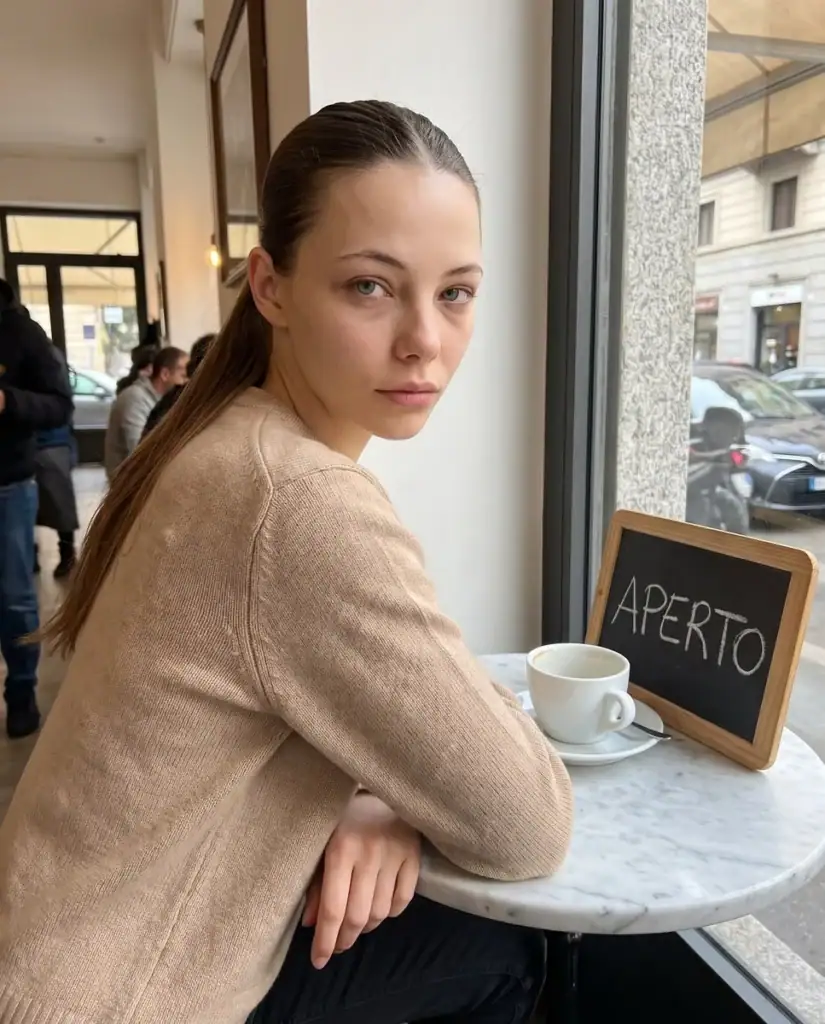
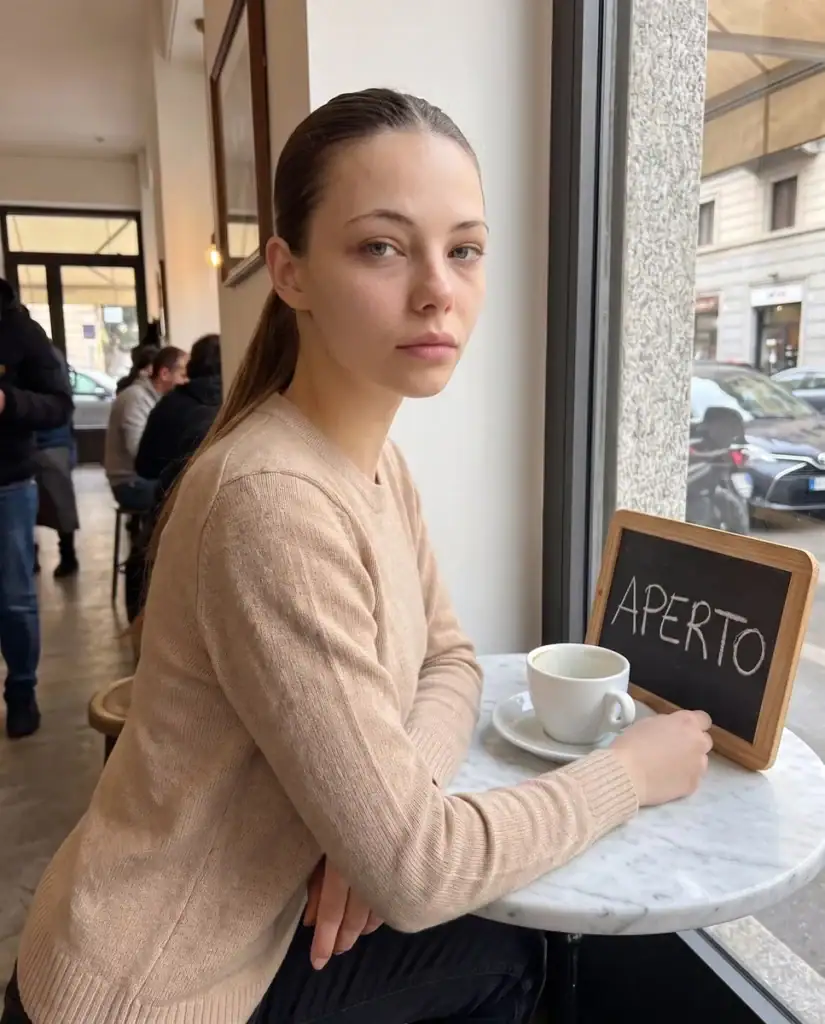
La mossa che c’è dentro. La misura è the waist about twenty percent narrower. L’effetto è dichiarato: THIS IS A BEFORE-AND-AFTER DEMONSTRATION, SO THE DIFFERENCE MUST BE OBVIOUS AT A GLANCE.
Il prompt
THE SAME PHOTOGRAPH WITH ONE CHANGE: HER BODY SHAPE. THIS IS A BEFORE-AND-AFTER DEMONSTRATION, SO THE DIFFERENCE MUST BE OBVIOUS AT A GLANCE. Keep the supplied photograph exactly as it is: same woman, same face and expression, same hair, same knit top, same table, same cup, same sign, same window light, same framing. Change only the body, by these measures: the waist about twenty percent narrower; the torso and neck visibly longer so the head sits higher in the frame; the shoulders squared and pulled back so the spine is upright instead of leaning on the table; the upper arms noticeably slimmer. The knit top re-drapes over the new shape with new folds, and the elbows and hands move with the new posture. The face and the head size do not change. Everything else is identical to the original. Photorealistic, vertical 4:5.Lo stesso comando, da riempire
Sostituisci solo quello che sta fra parentesi quadre. Se il soggetto non è una donna cambia anche i pronomi (her → his, she → he); tutto il resto va lasciato com’è, maiuscole comprese.
THE SAME PHOTOGRAPH WITH ONE CHANGE: HER BODY SHAPE. THIS IS A BEFORE-AND-AFTER DEMONSTRATION, SO THE DIFFERENCE MUST BE OBVIOUS AT A GLANCE. Keep the supplied photograph exactly as it is: same woman, same face and expression, same hair, same knit top, same table, same cup, same sign, same window light, same framing. Change only the body, by these measures: [MISURA DELLA VITA]; [MODIFICA DI TORSO E COLLO] so the head sits higher in the frame; the shoulders squared and pulled back so the spine is upright instead of leaning on the table; the upper arms noticeably slimmer. The knit top re-drapes over the new shape with new folds, and the elbows and hands move with the new posture. The face and the head size do not change. Everything else is identical to the original. Photorealistic, vertical 4:5.Per usarlo su altro. Sostituisci misure e parti del corpo che cambiano insieme. Il comando conserva viso e testa.
Le immagini di questa pagina sono generate con AI e riviste una per una. I personaggi che vi compaiono sono personaggi di Making of Magazine e non sono persone reali; Luca è reale. Il metodo con cui questi comandi sono scritti è spiegato in Come sono scritti questi prompt.
Nella raccolta
L'unità minima del linguaggio cinematografico. Tecnicamente, è la porzione di spazio (fisico o virtuale) delimitata dai bordi dell'obiettivo della macchina da presa. Nel montaggio, corrisponde a una registrazione continua tra due stacchi (tagli).
La rappresentazione della tridimensionalità (profondità) su un'immagine bidimensionale. In cinematografia, si riferisce alla percezione della relazione spaziale tra gli oggetti e tra il soggetto e lo sfondo. La prospettiva non è determinata dalla lente, ma dalla distanza della camera dal soggetto. Le lenti (grandangolari o teleobiettivi) si limitano a "esagerare" o "comprimere" questa relazione.
Il soggetto è un breve testo che riassume l'idea centrale e la trama di un film. Descrive in sintesi i personaggi, l'ambientazione, il conflitto principale e l'evoluzione della storia. Serve a presentare il nucleo narrativo a produttori e registi, fornendo la base da cui si svilupperanno successivamente il trattamento e la sceneggiatura definitiva.
La qualità tattile (visiva) della superficie di un oggetto. In cinematografia, la gestione della texture è fondamentale. La luce può esaltarla (luce radente su un maglione di lana) o appiattirla (luce morbida su un trucco prostetico). È un elemento chiave discusso tra D.O.P., scenografo e costumista.