di Luca Desiderato
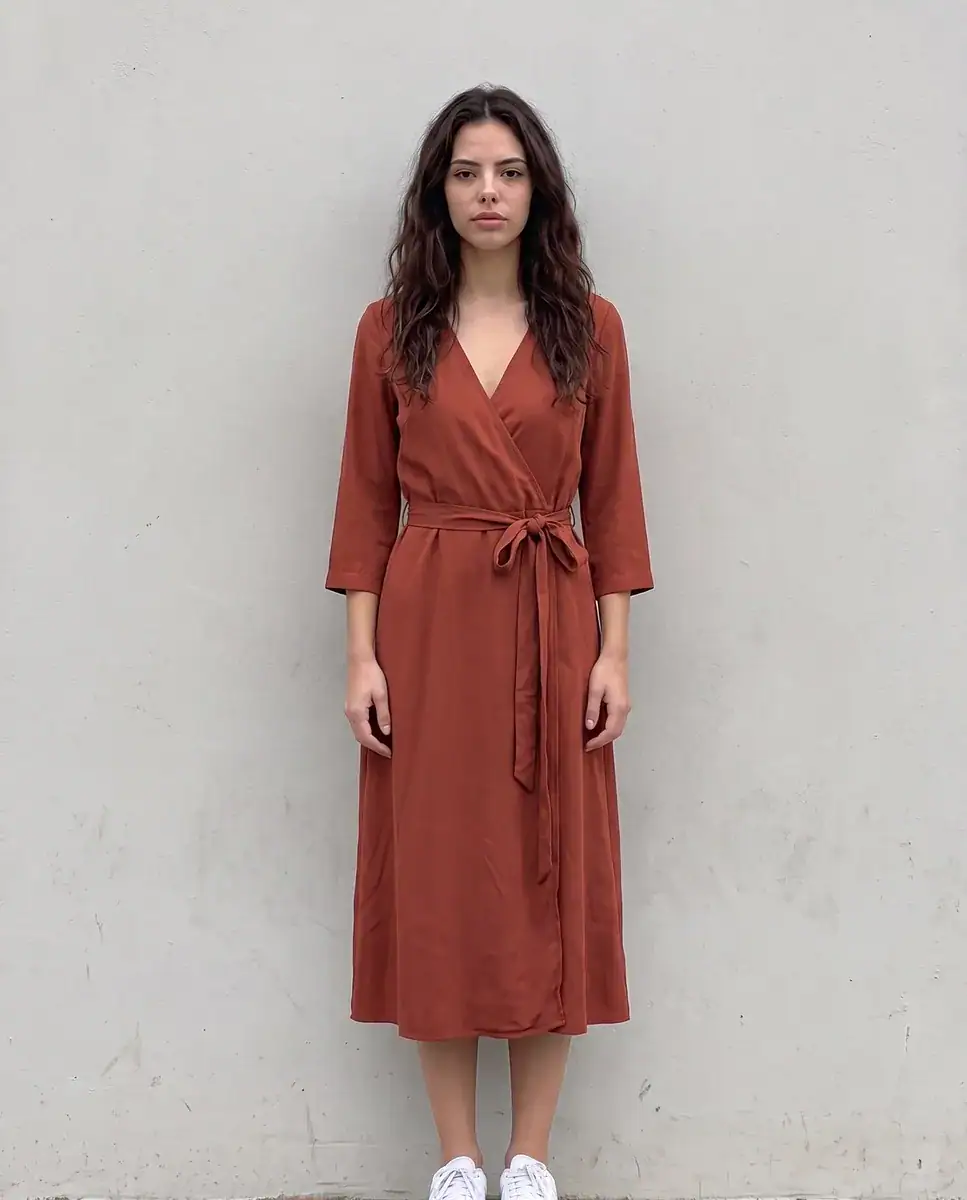
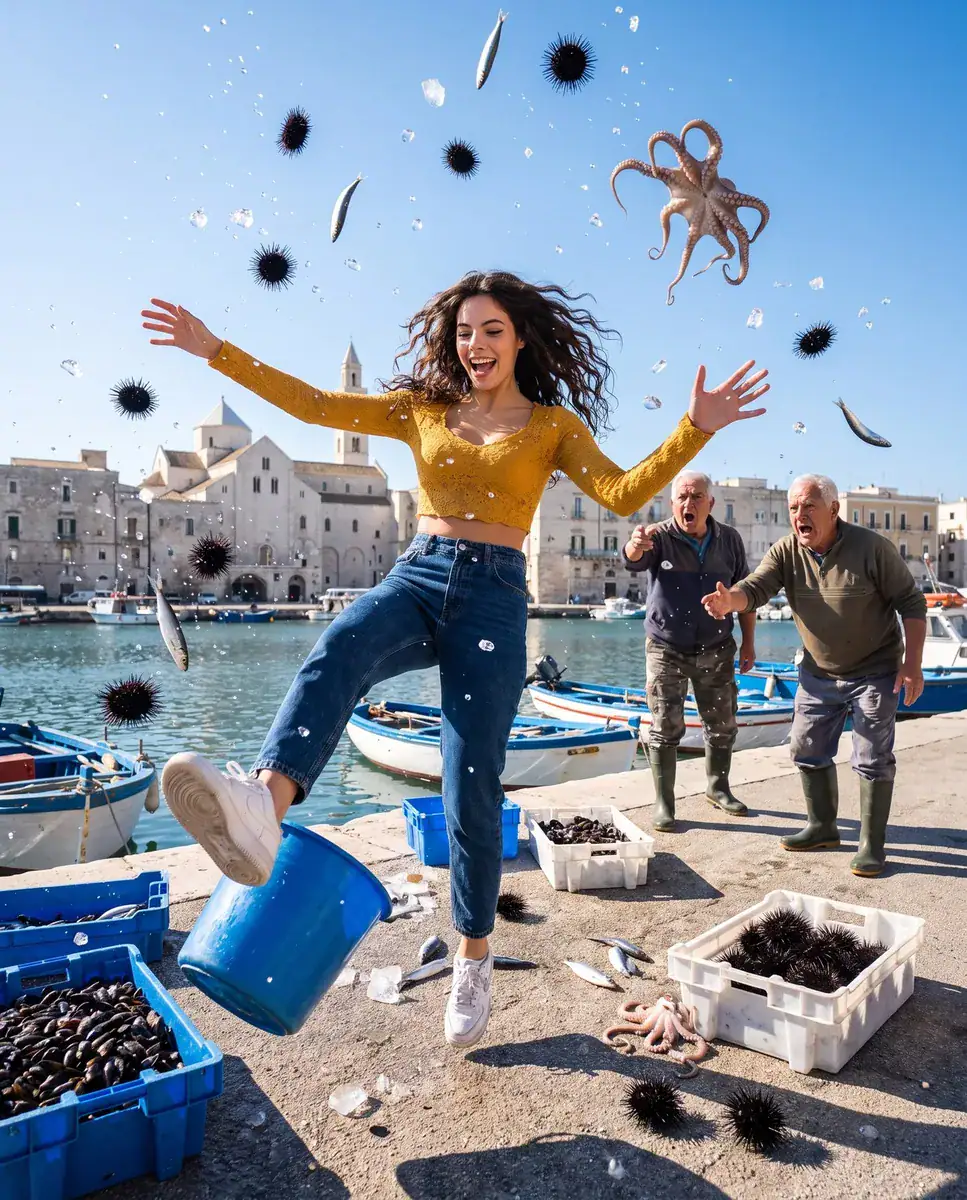
I 4 prompt[4] descrivono selfie a braccio teso, flash frontale, riflessi nello specchio e scatti fatti da un’altra persona. I testi usano Lia come soggetto[2] e Matteo nella variante. Le 16 immagini affiancano foto di partenza e risultati.
Sommario
/armslength · Braccio teso
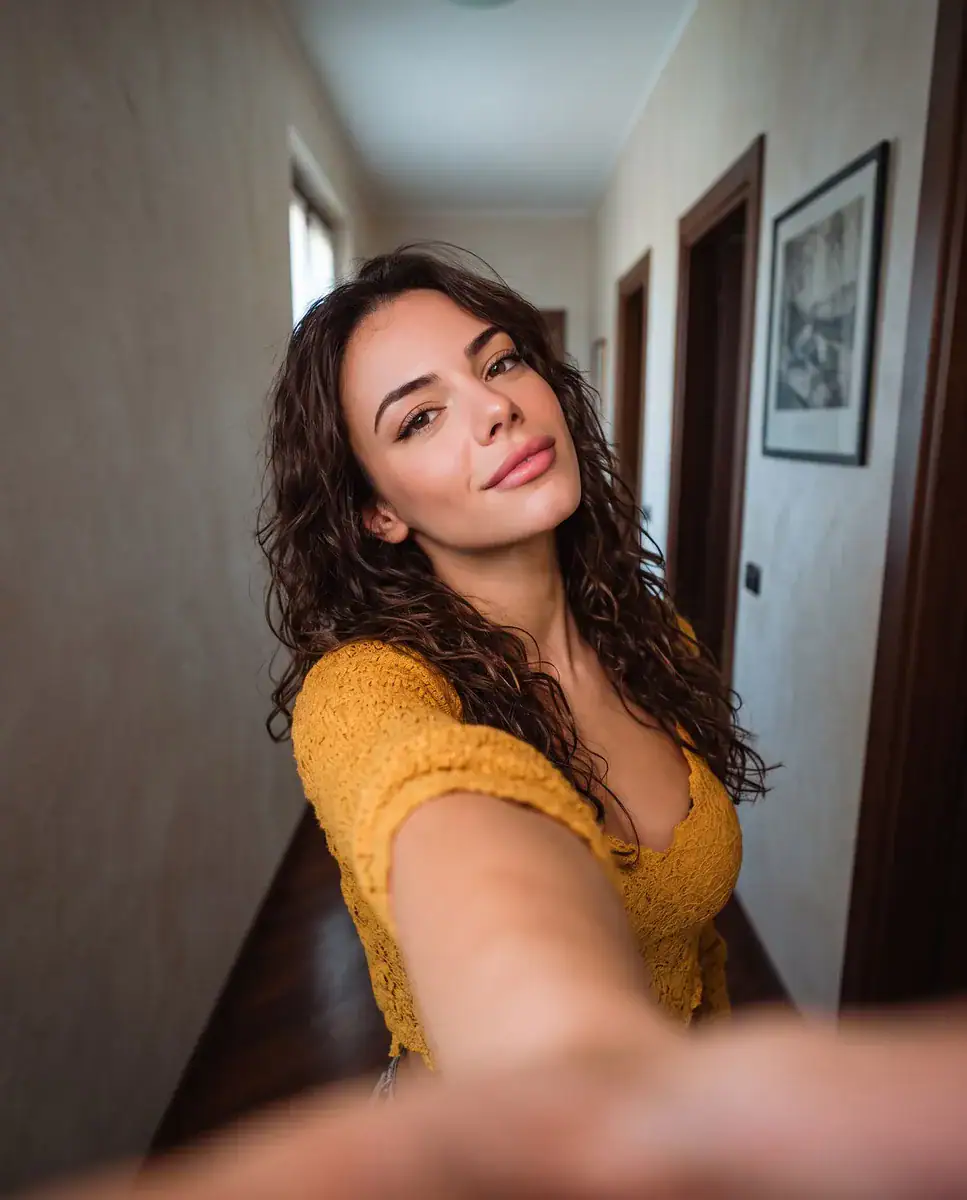
Una foto fatta da Lia a braccio teso con telefono. L’avambraccio entra nell’angolo in basso a destra; il corridoio dietro arretra fino alla parete lontana. Viso e inquadratura[1] si allargano verso gli angoli.
Ti serve una foto di partenza: Sì, una · Modello: Nano Banana Pro · Lunghezza: 140 parole
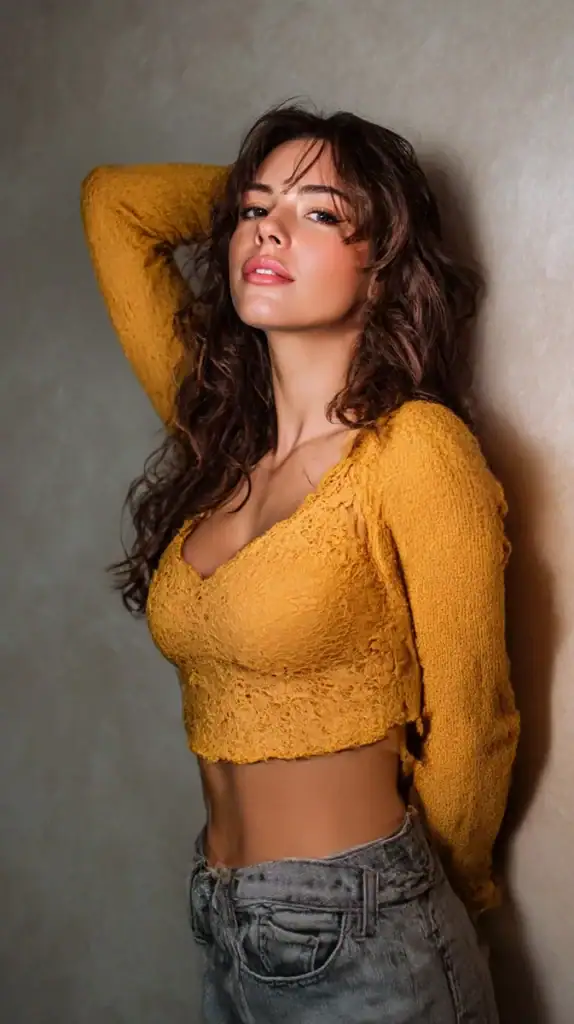
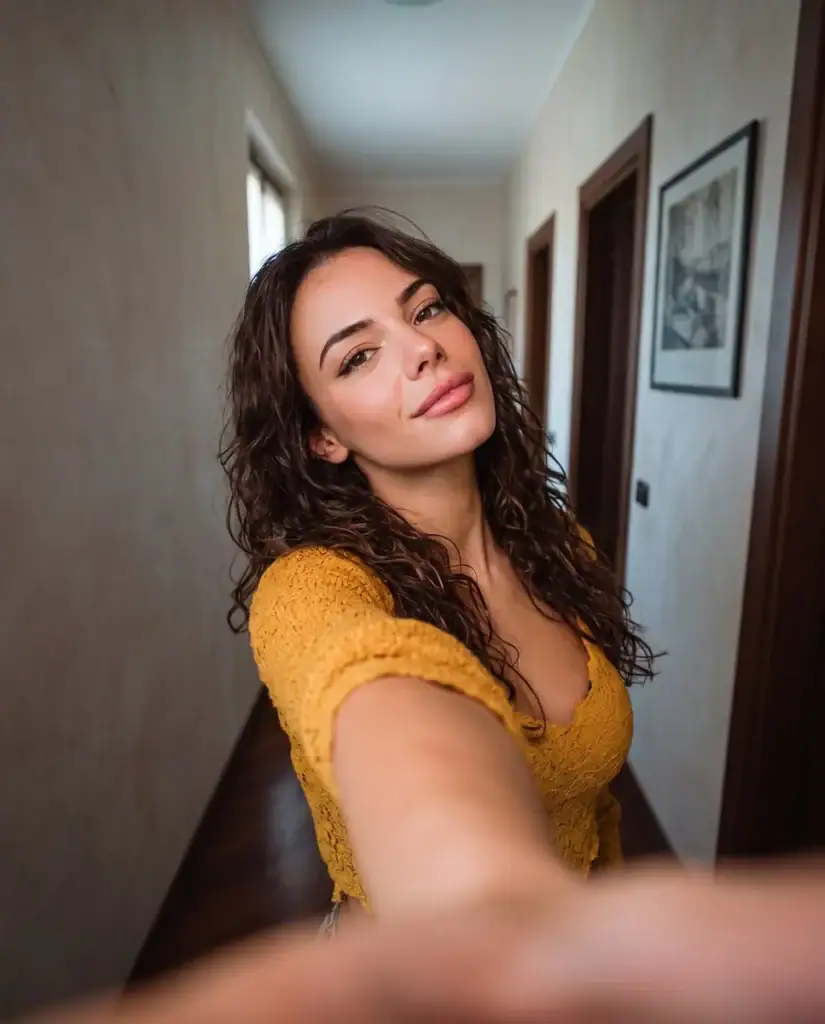
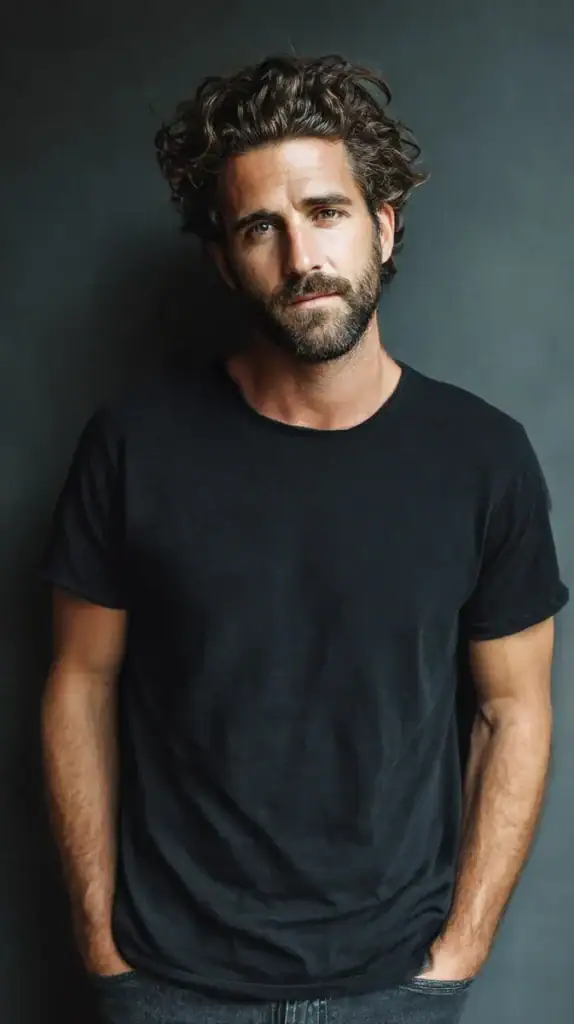
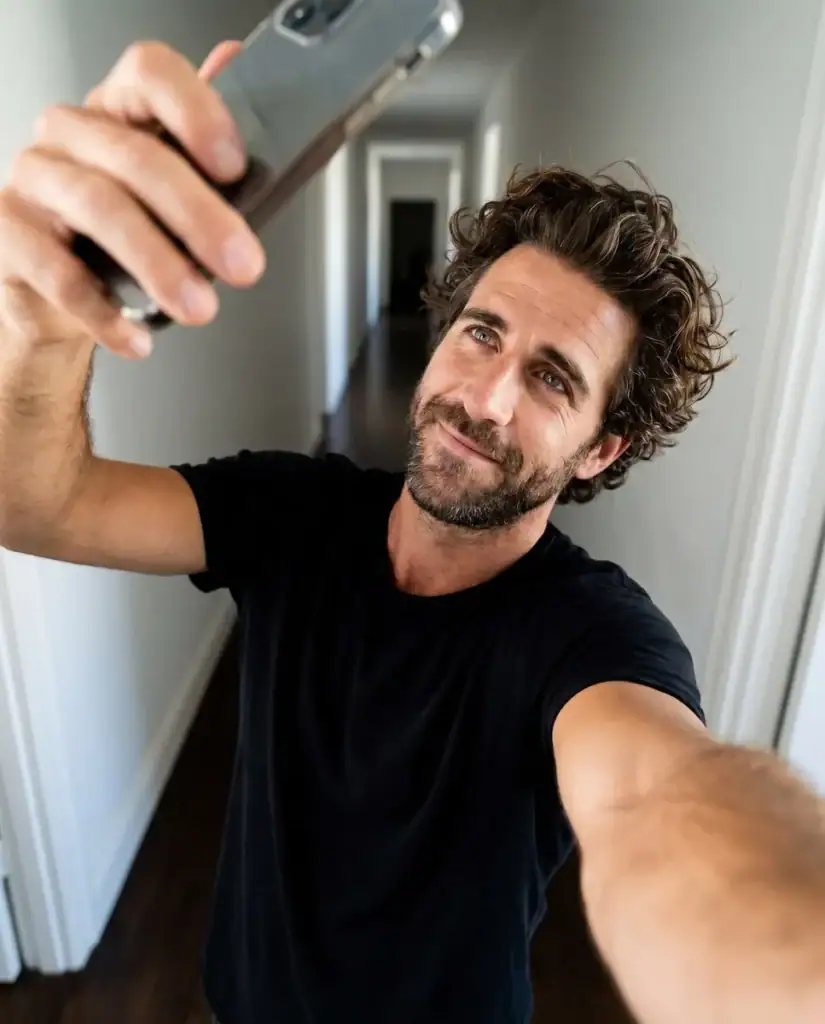
⚠️ Le 2 immagini qui sopra vengono dallo stesso comando ma da due testi diversi, uno per soggetto: quello che pubblichiamo è il primo. Il secondo cambia l’oggetto e la scena[5], non l’impianto. Lo trovi in RACCOLTA_PROMPT.csv, colonna prompt_variante.
La mossa che c’è dentro. Obiettivo e distanza sono espliciti: a 24mm equivalent held about forty centimetres from her face. Il prompt dichiara anche che naso e fronte sono noticeably larger than her ears.
Il prompt
THE PHOTOGRAPH IS TAKEN BY HER, AT ARM'S LENGTH, ON A PHONE. The lens is a 24mm equivalent held about forty centimetres from her face and a little above her eyeline, so she looks slightly up into it: her nose and forehead are rendered noticeably larger than her ears, her chin narrows away, and the picture stretches outward towards the corners. Her own bare forearm runs into the bottom right corner of the frame, foreshortened and out of focus. The hallway behind her falls away steeply and stays sharp all the way to the far wall.

LIA, the woman in the supplied reference photograph, her face unchanged: 25 years old, Italian, long wavy dark-brown hair, straight strongly marked eyebrows, high cheekbones, full lips. She wears her mustard-yellow lace top with long sleeves. Her expression is a relaxed half-smile, never severe.
Lo stesso comando, da riempire
Sostituisci solo quello che sta fra parentesi quadre. Se il soggetto non è una donna cambia anche i pronomi (her → his, she → he); tutto il resto va lasciato com’è, maiuscole comprese.
THE PHOTOGRAPH IS TAKEN BY HER, AT ARM'S LENGTH, ON A PHONE. The lens is a 24mm equivalent held about forty centimetres from her face and a little above her eyeline, so she looks slightly up into it: her nose and forehead are rendered noticeably larger than her ears, her chin narrows away, and the picture stretches outward towards the corners. Her own bare forearm runs into the bottom right corner of the frame, foreshortened and out of focus. The hallway behind her falls away steeply and stays sharp all the way to the far wall.

[SOGGETTO: nome, tratti, guardaroba ed espressione].
Per usarlo su altro. Sostituisci il blocco di Lia nel segnaposto[3]. La variante usa Matteo e cambia pronomi, abito e tratti. Per cambiare il luogo, riscrivi anche la frase sul corridoio.
/frontflash · Flash in faccia
Una foto notturna di Lia con flash duro frontale. Fronte, punta del naso e zigomi hanno riflessi bianchi; l’ombra cade netta sul muro a un passo. Oltre due metri non restano cielo, luci stradali o luce ambiente.
Ti serve una foto di partenza: Sì, una · Modello: Nano Banana Pro · Lunghezza: 224 parole
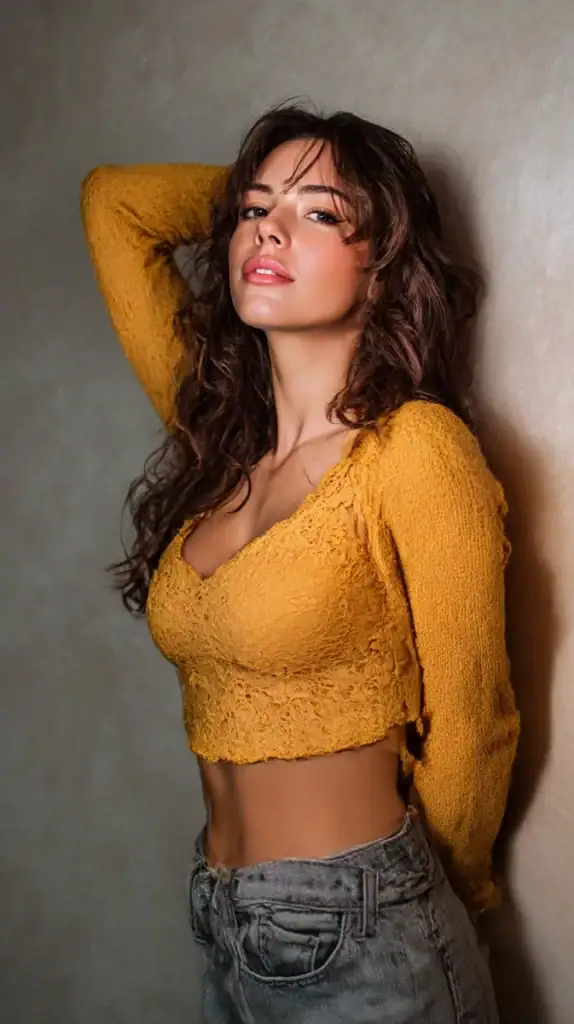
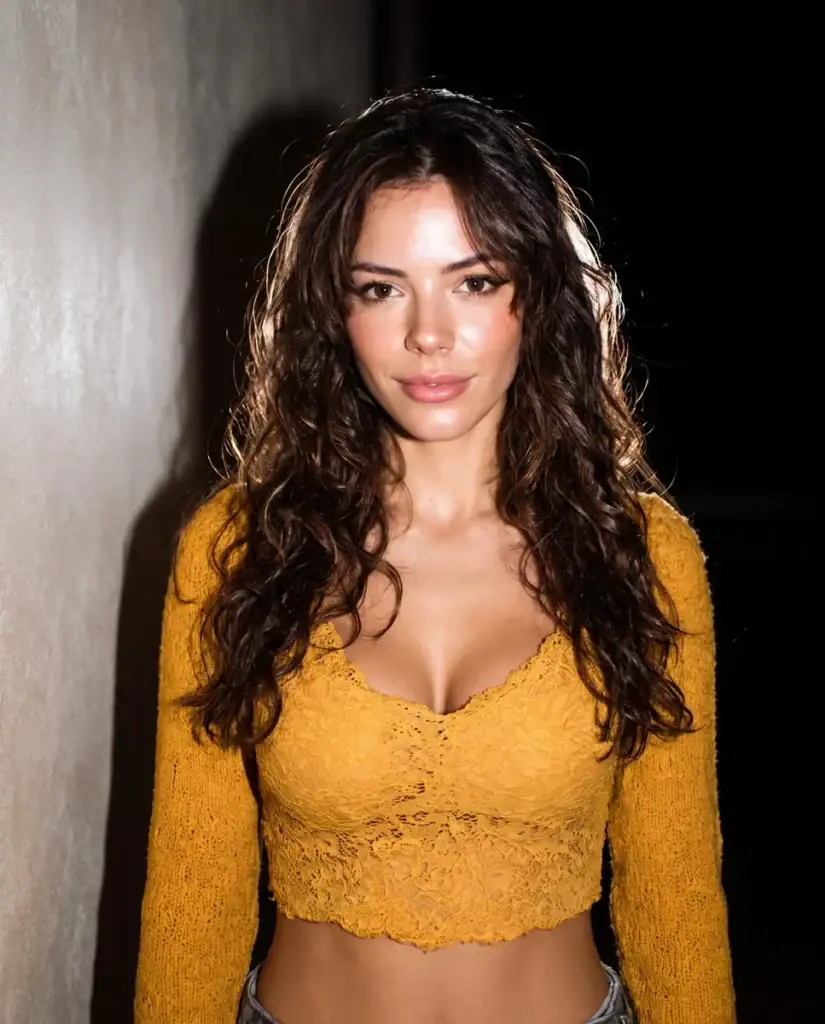
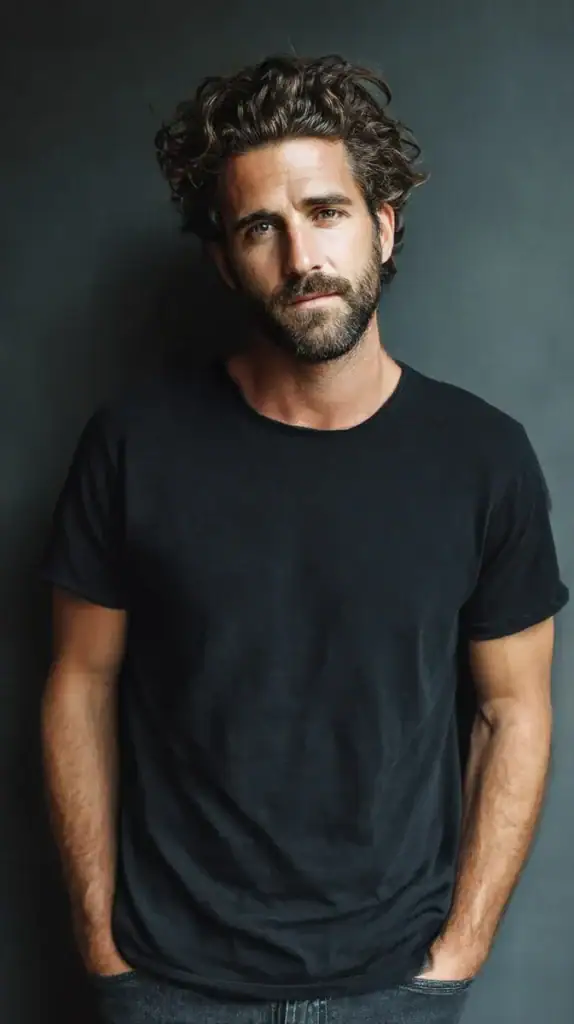
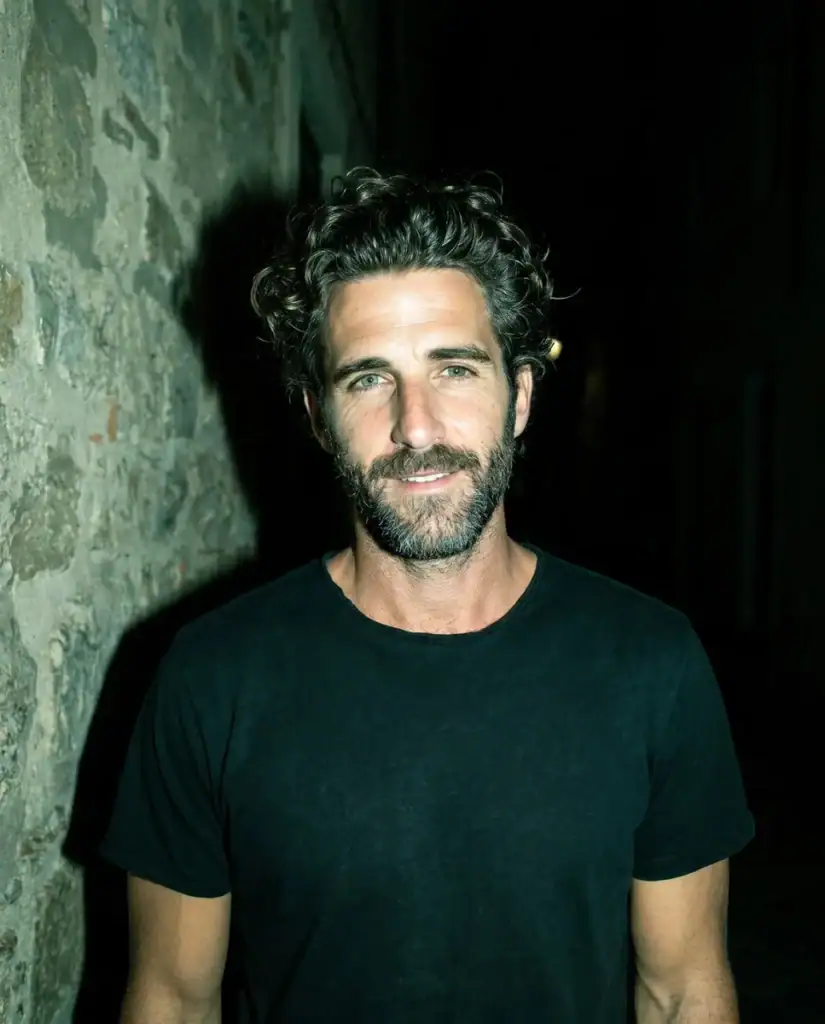
⚠️ Le 2 immagini qui sopra vengono dallo stesso comando ma da due testi diversi, uno per soggetto: quello che pubblichiamo è il primo. Il secondo cambia l’oggetto e la scena, non l’impianto. Lo trovi in RACCOLTA_PROMPT.csv, colonna prompt_variante.
La mossa che c’è dentro. Il testo principale apre con A PHOTOGRAPH TAKEN AT NIGHT WITH A HARD DIRECT ON-CAMERA FLASH. La variante di Matteo apre invece con A PHOTOGRAPH TAKEN AT NIGHT WITH A CAMERA-MOUNTED FLASH.
Il prompt
A PHOTOGRAPH TAKEN AT NIGHT WITH A HARD DIRECT ON-CAMERA FLASH. Take the face from the supplied reference photograph, but NOT its lighting: the soft even light of that photograph is gone completely and replaced by one hard flash. AND NO LAMP, TORCH, LIGHT, STAND, HAND OR ANY OTHER PIECE OF EQUIPMENT IS VISIBLE ANYWHERE IN THE PICTURE.

The flash fires from a hand's width above the lens and nothing else lights the scene. A bright white specular patch burns on her forehead, on the tip of her nose and on her cheekbones. The shadows under her brows, her nose and her chin are short, hard-edged and drop straight down. Her hair is edged with a hot white line where it catches the flash and goes black a few centimetres further in. Her own shadow is thrown hard and sharp onto the wall a single step behind her, with a crisp outline. Everything more than two metres away is completely black: no sky, no street lights, no ambient glow of any kind. The skin looks slightly flat and overexposed, as a snapshot flash makes it.

LIA, 25 years old, Italian, long wavy dark-brown hair, straight strongly marked eyebrows, high cheekbones, full lips. She wears her mustard-yellow lace top with long sleeves. She is looking straight into the lens with a relaxed half-smile, never severe.
Lo stesso comando, da riempire
Sostituisci solo quello che sta fra parentesi quadre. Se il soggetto non è una donna cambia anche i pronomi (her → his, she → he); tutto il resto va lasciato com’è, maiuscole comprese.
A PHOTOGRAPH TAKEN AT NIGHT WITH A HARD DIRECT ON-CAMERA FLASH. Take the face from the supplied reference photograph, but NOT its lighting: the soft even light of that photograph is gone completely and replaced by one hard flash. AND NO LAMP, TORCH, LIGHT, STAND, HAND OR ANY OTHER PIECE OF EQUIPMENT IS VISIBLE ANYWHERE IN THE PICTURE.

The flash fires from a hand's width above the lens and nothing else lights the scene. A bright white specular patch burns on her forehead, on the tip of her nose and on her cheekbones. The shadows under her brows, her nose and her chin are short, hard-edged and drop straight down. Her hair is edged with a hot white line where it catches the flash and goes black a few centimetres further in. Her own shadow is thrown hard and sharp onto the wall a single step behind her, with a crisp outline. Everything more than two metres away is completely black: no sky, no street lights, no ambient glow of any kind. The skin looks slightly flat and overexposed, as a snapshot flash makes it.

[SOGGETTO: nome, tratti, guardaroba ed espressione].
Per usarlo su altro. Sostituisci il blocco di Lia nel segnaposto. La variante di Matteo apre con una clausola diversa: leggila prima di sostituire, non è un cambio di soli pronomi.
/mirror · Allo specchio
Il riflesso di Lia in uno specchio di corridoio. Il telefono copre parte del petto e gli occhi sono sullo schermo. Nel riflesso compaiono porta, cappotto su un gancio e lampada; il vetro è leggermente polveroso.
Ti serve una foto di partenza: Sì, una · Modello: Nano Banana Pro · Lunghezza: 149 parole
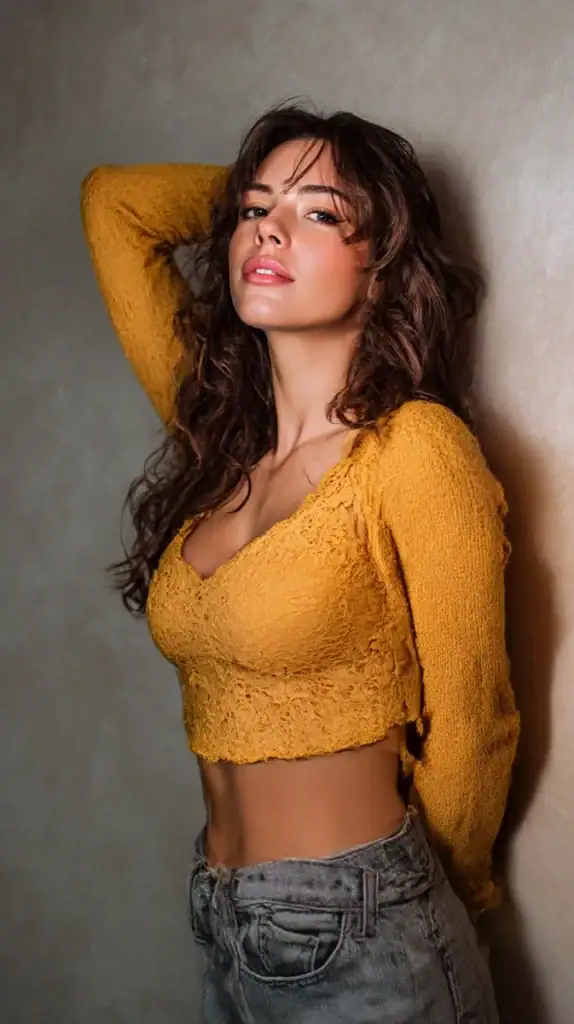
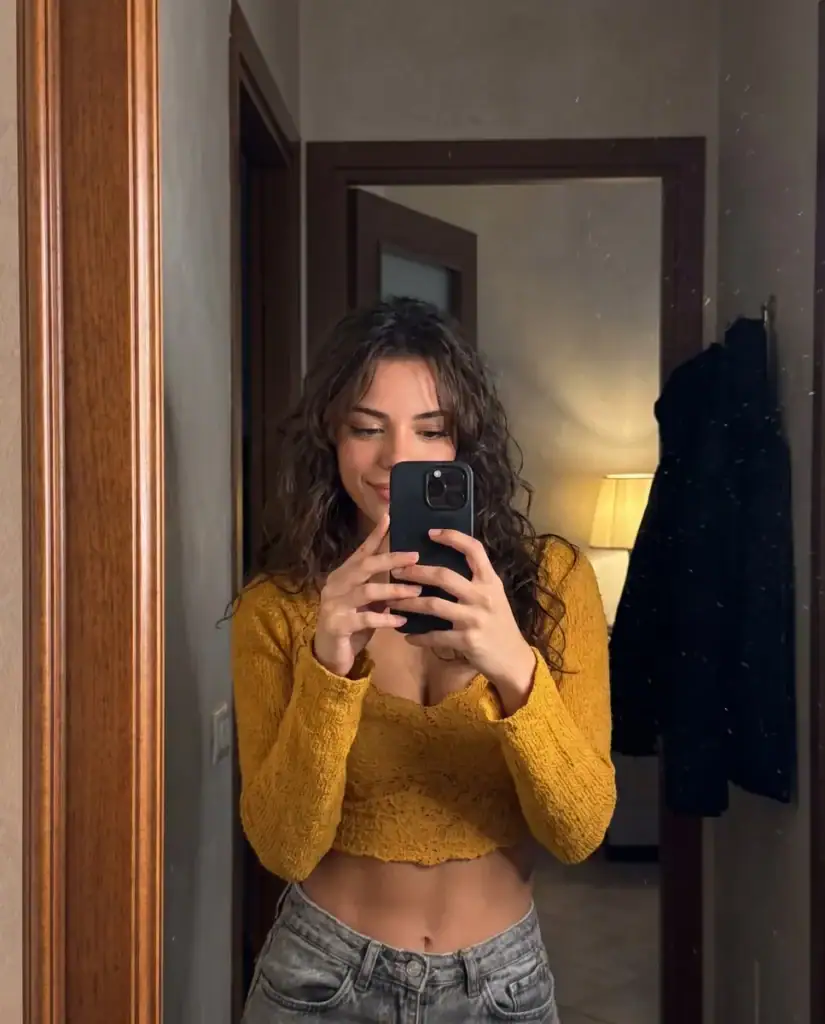
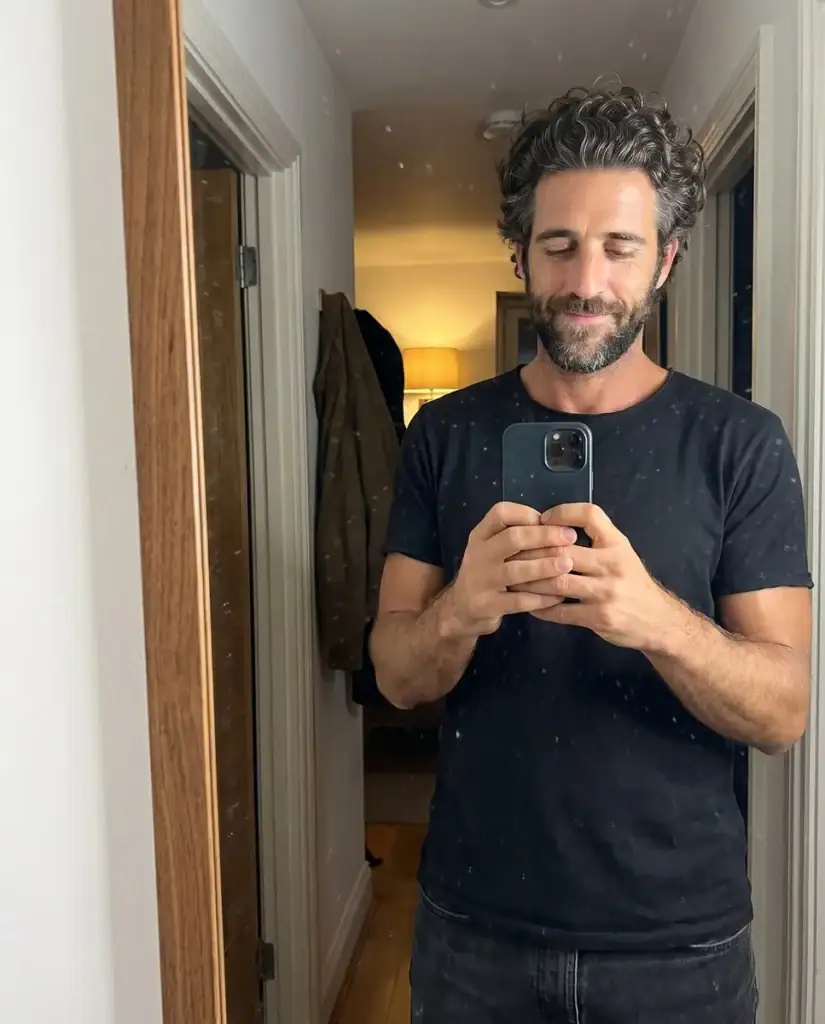
⚠️ Le 2 immagini qui sopra vengono dallo stesso comando ma da due testi diversi, uno per soggetto: quello che pubblichiamo è il primo. Il secondo cambia l’oggetto e la scena, non l’impianto. Lo trovi in RACCOLTA_PROMPT.csv, colonna prompt_variante.
La mossa che c’è dentro. La posizione del telefono è at chest height. La luce nel vetro è a stop[6] dimmer than the room. Il bordo di legno dello specchio attraversa un lato dell’immagine.
Il prompt
THE PHOTOGRAPH IS OF HER REFLECTION IN A MIRROR. She stands facing a mirror hung in a hallway and holds the phone at chest height: in the reflection the phone is a dark rectangle in her hand, covering a part of her own chest, and her eyes are on the screen rather than on the lens. The wooden edge of the mirror crosses one side of the picture, and the room behind her is reflected too: a doorway, a coat on a hook, a lamp. The glass is slightly dusty and the light in it is a stop dimmer than the room.

LIA, the woman in the supplied reference photograph, her face unchanged: 25 years old, Italian, long wavy dark-brown hair, straight strongly marked eyebrows, high cheekbones, full lips. She wears her mustard-yellow lace top with long sleeves and grey jeans. Her expression is a relaxed half-smile, never severe.
Lo stesso comando, da riempire
Sostituisci solo quello che sta fra parentesi quadre. Se il soggetto non è una donna cambia anche i pronomi (her → his, she → he); tutto il resto va lasciato com’è, maiuscole comprese.
THE PHOTOGRAPH IS OF HER REFLECTION IN A MIRROR. She stands facing a mirror hung in a hallway and holds the phone at chest height: in the reflection the phone is a dark rectangle in her hand, covering a part of her own chest, and her eyes are on the screen rather than on the lens. The wooden edge of the mirror crosses one side of the picture, and the room behind her is reflected too: a doorway, a coat on a hook, a lamp. The glass is slightly dusty and the light in it is a stop dimmer than the room.

[SOGGETTO: nome, tratti, guardaroba ed espressione].
Per usarlo su altro. Sostituisci il blocco di Lia nel segnaposto. La variante usa Matteo con un guardaroba e tratti diversi. Per un’altra stanza, riscrivi l’elenco degli elementi riflessi.
/notselfie · L’ha fatta un altro
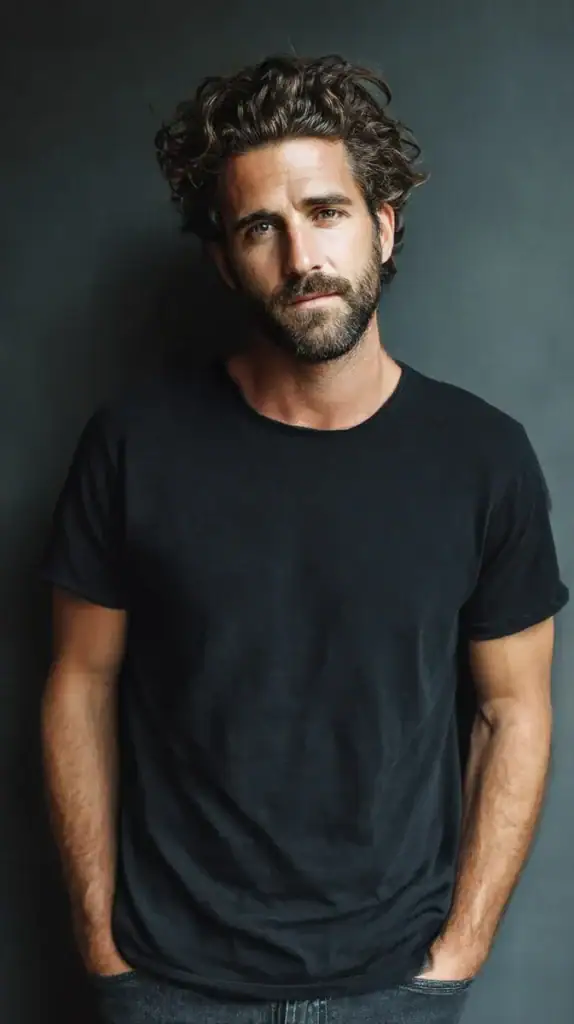
Una fotografia di Lia fatta da un’altra persona, senza telefono né braccio nell’inquadratura. La strada dietro è una fascia morbida di forme e colore; il viso è l’unica parte nitida.
Ti serve una foto di partenza: Sì, una · Modello: Nano Banana Pro · Lunghezza: 139 parole
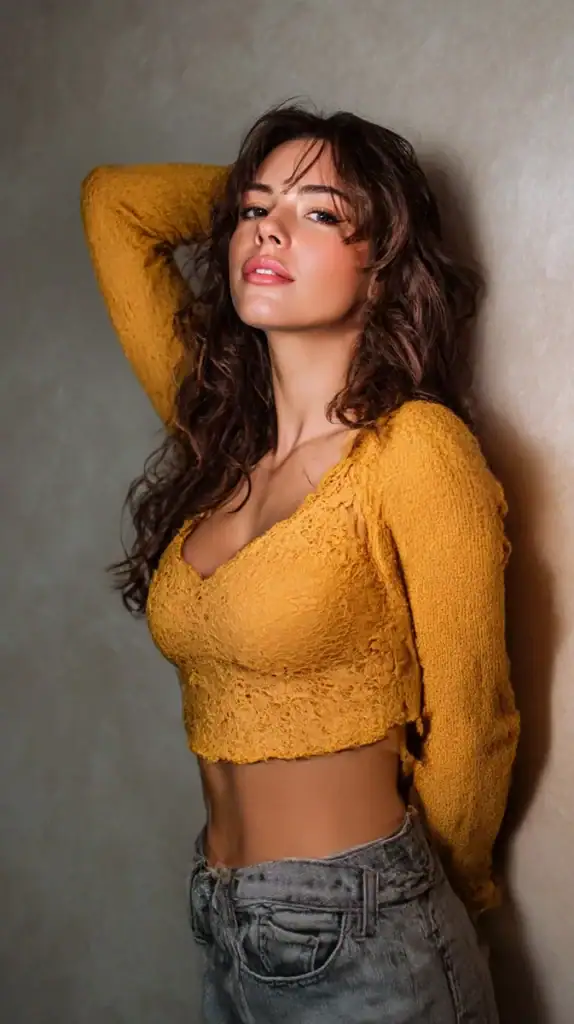
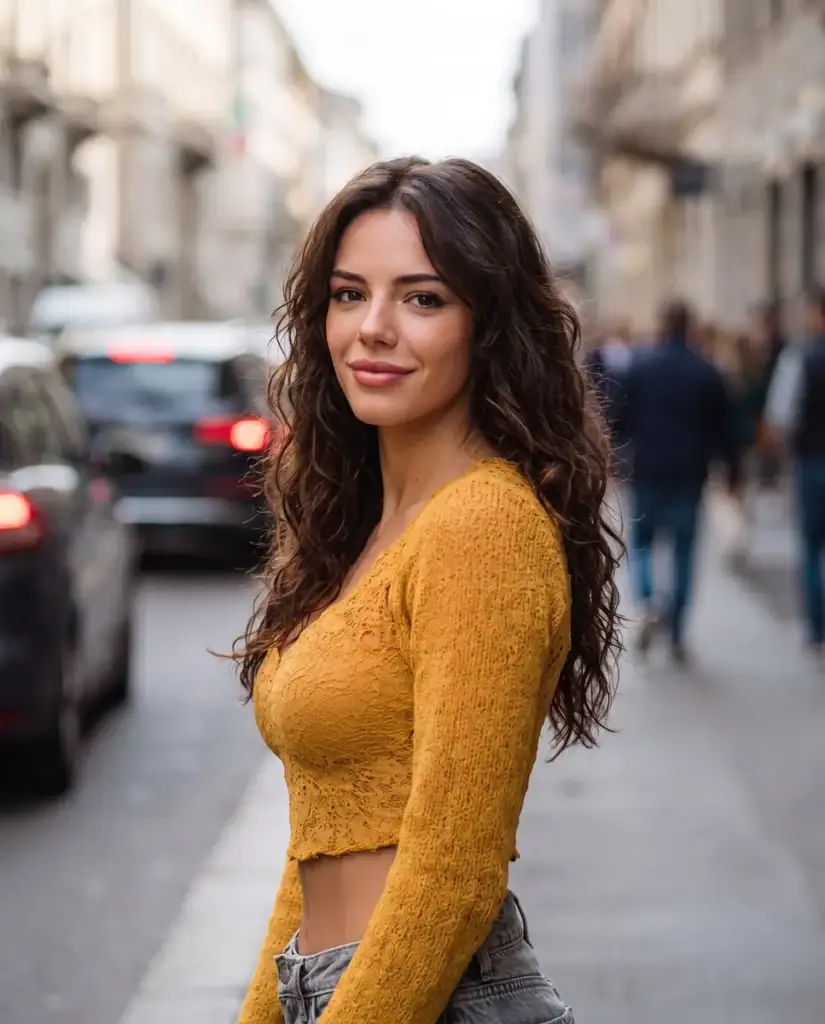
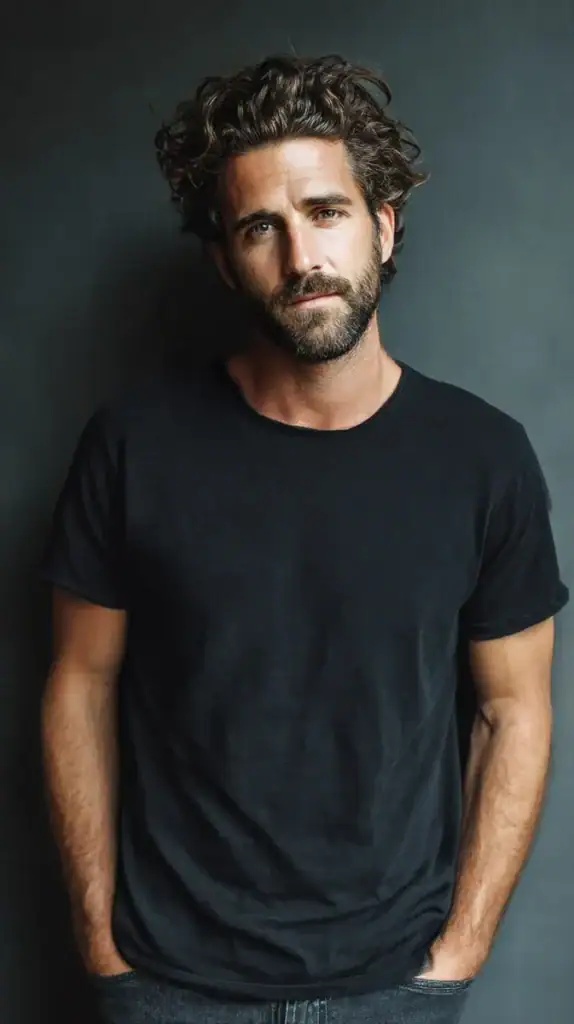
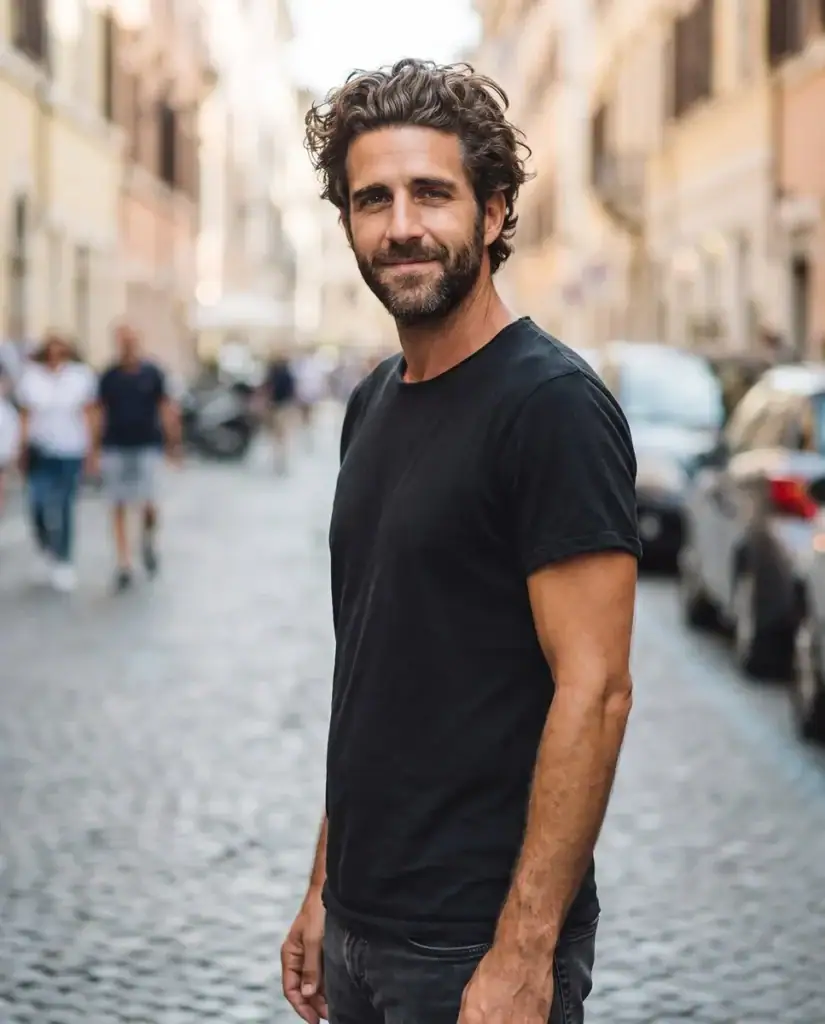
⚠️ Le 2 immagini qui sopra vengono dallo stesso comando ma da due testi diversi, uno per soggetto: quello che pubblichiamo è il primo. Il secondo cambia l’oggetto e la scena, non l’impianto. Lo trovi in RACCOLTA_PROMPT.csv, colonna prompt_variante.
La mossa che c’è dentro. La distanza è An 85mm lens three metres away at her eye level. Il testo mantiene i lineamenti in proporzione e dichiara che le spalle sono rilassate e ruotate di pochi gradi.
Il prompt
THE PHOTOGRAPH IS TAKEN BY SOMEONE ELSE, WITH A REAL CAMERA. An 85mm lens three metres away at her eye level: her features sit in their true proportion with nothing enlarged and nothing stretched, there is no arm in the frame and no phone anywhere, and she is not holding the camera so her shoulders are relaxed and turned a few degrees off square. The long lens compresses the street behind her into a soft band of shape and colour, and only her face is truly sharp. Soft daylight from the side.

LIA, the woman in the supplied reference photograph, her face unchanged: 25 years old, Italian, long wavy dark-brown hair, straight strongly marked eyebrows, high cheekbones, full lips. She wears her mustard-yellow lace top with long sleeves and grey jeans. Her expression is a relaxed half-smile, never severe.
Lo stesso comando, da riempire
Sostituisci solo quello che sta fra parentesi quadre. Se il soggetto non è una donna cambia anche i pronomi (her → his, she → he); tutto il resto va lasciato com’è, maiuscole comprese.
THE PHOTOGRAPH IS TAKEN BY SOMEONE ELSE, WITH A REAL CAMERA. An 85mm lens three metres away at her eye level: her features sit in their true proportion with nothing enlarged and nothing stretched, there is no arm in the frame and no phone anywhere, and she is not holding the camera so her shoulders are relaxed and turned a few degrees off square. The long lens compresses the street behind her into a soft band of shape and colour, and only her face is truly sharp. Soft daylight from the side.

[SOGGETTO: nome, tratti, guardaroba ed espressione].
Per usarlo su altro. Sostituisci il blocco di Lia nel segnaposto. La variante di Matteo aggiunge anche broad shoulders. Per un altro sfondo, riscrivi la frase sulla strada dietro.
Le immagini di questa pagina sono generate con AI e riviste una per una. I personaggi che vi compaiono sono personaggi di Making of Magazine e non sono persone reali; Luca è reale. Il metodo con cui questi comandi sono scritti è spiegato in Come sono scritti questi prompt.
Nella raccolta
L'unità minima del linguaggio cinematografico. Tecnicamente, è la porzione di spazio (fisico o virtuale) delimitata dai bordi dell'obiettivo della macchina da presa. Nel montaggio, corrisponde a una registrazione continua tra due stacchi (tagli).
Il soggetto è un breve testo che riassume l'idea centrale e la trama di un film. Descrive in sintesi i personaggi, l'ambientazione, il conflitto principale e l'evoluzione della storia. Serve a presentare il nucleo narrativo a produttori e registi, fornendo la base da cui si svilupperanno successivamente il trattamento e la sceneggiatura definitiva.
(placeholder) Una nota o un marcatore (es. "[INSERIRE DETTAGLIO QUI]" o "Descrivere meglio la stanza") che lo sceneggiatore inserisce temporaneamente nella sceneggiatura per "segnare" un punto problematico (una scena, un dialogo, un dettaglio) da risolvere in seguito, senza interrompere il flusso della scrittura della prima stesura.
In AI generativa: Nella versione da riempire un segnaposto indica una parte del comando da sostituire letteralmente. È scritto fra parentesi quadre e può ospitare il soggetto o un dettaglio richiesto. Non è il marcatore provvisorio usato nella sceneggiatura.